Welcome to our websites!


Advanced Anti Decubitus Air Pump Technology for Pressure Ulcer Prevention
Understanding Anti Decubitus Air Pump Technology
Pressure ulcers, commonly known as bedsores, pose a significant challenge in healthcare, particularly for individuals with limited mobility. An anti decubitus air pump plays a crucial role in preventing and managing these ulcers by providing dynamic support and pressure redistribution. This article will explore the technology behind these pumps, their benefits, applications, and how to choose the right system. Investing in effective pressure ulcer prevention is essential for improving patient outcomes and quality of life.
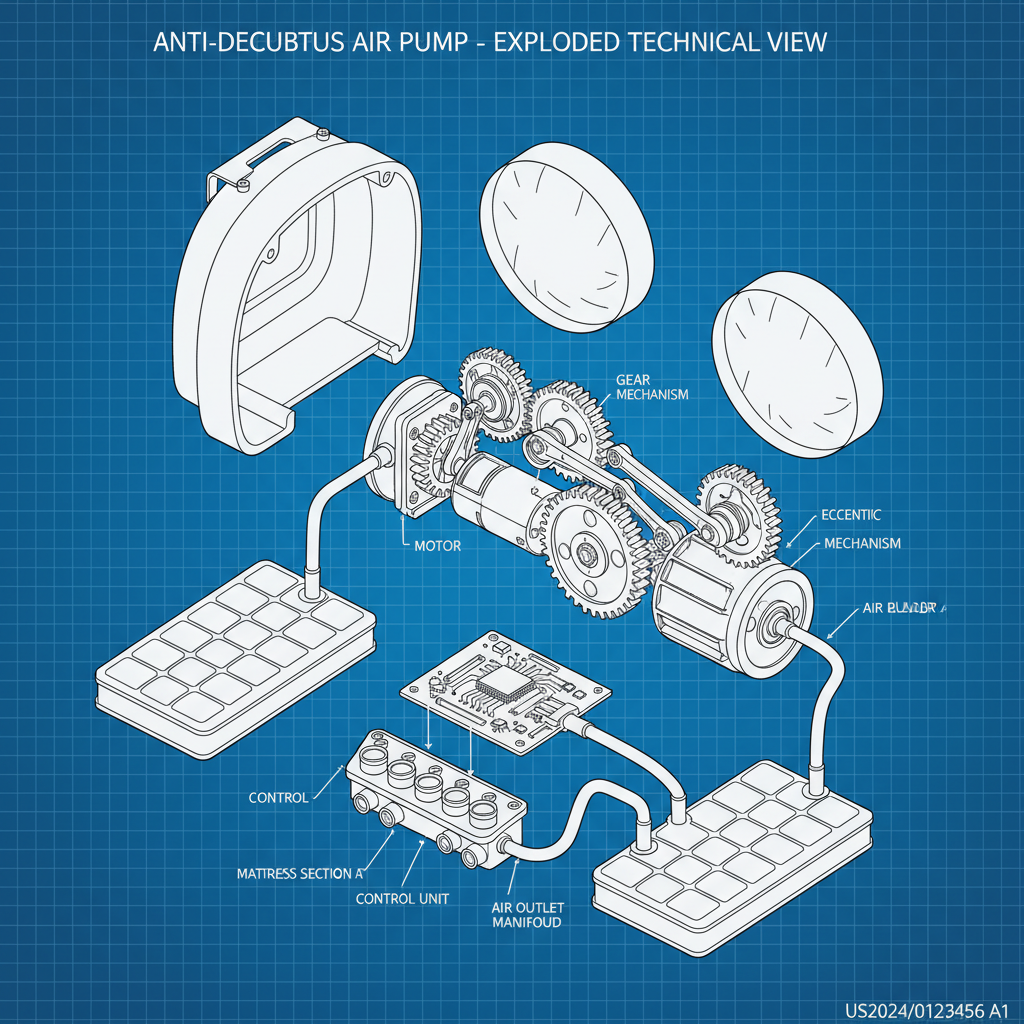
How Do Anti Decubitus Air Pumps Work?
Anti decubitus air pumps are designed to inflate and deflate air cells within a mattress or cushion, creating a dynamic surface that continuously changes pressure points. This prevents sustained pressure on any one area of the body, which is the primary cause of pressure ulcer formation. The pump's motor regulates the airflow, controlling the inflation cycle and ensuring consistent pressure redistribution. More advanced systems feature adjustable pressure settings, cycle times, and even weight sensing capabilities to tailor the support to the individual’s needs. A key component is the airflow distribution system, ensuring each cell receives adequate air. CNBOXIN offers a range of pumps designed for optimal performance and patient comfort.
Key Highlights: Continuous pressure redistribution, adjustable settings, and prevention of sustained pressure on vulnerable areas.
Types of Anti Decubitus Air Pumps and Mattresses
There are several types of anti decubitus air pumps and the mattresses they support. These include:
Alternating Pressure Mattresses: These are the most common type, featuring cells that inflate and deflate in a sequential pattern.
Dynamic Air Mattresses: These provide more comprehensive pressure relief with more complex cell arrangements and faster cycle times.
Low Air Loss Mattresses: These allow a small amount of air to escape from the cells, creating a cooler and drier surface, ideal for individuals at risk of moisture-related skin breakdown.
Hybrid Mattresses: These combine air-filled cells with foam layers for additional comfort and support.
Choosing the Right System:
• Consider the patient’s risk level for pressure ulcers.
• Evaluate their mobility and overall health status.
• Factor in comfort preferences and individual needs.
• Consult with a healthcare professional for guidance.
Anti Decubitus Air Pump: Key Features to Consider
When selecting an anti decubitus air pump, several key features should be considered. These include the pump’s noise level (quieter pumps improve patient comfort), the ease of operation and maintenance, the availability of adjustable pressure settings, the quality of the air mattress or cushion, and any additional safety features such as low-pressure alarms. CPR functionality, allowing for rapid deflation of the mattress in emergency situations, is also a crucial consideration. The durability and warranty offered by the manufacturer are also important indicators of product quality and reliability.
Applications of Anti Decubitus Air Pumps
Anti decubitus air pumps are used in a variety of healthcare settings and for various patient populations. These include: long-term care facilities, hospitals (ICU, post-surgery recovery), home healthcare, and for individuals with spinal cord injuries, paralysis, or other conditions that limit mobility. They’re particularly crucial for patients who spend prolonged periods in bed or seated in wheelchairs. CNBOXIN offers solutions suitable for diverse care environments.
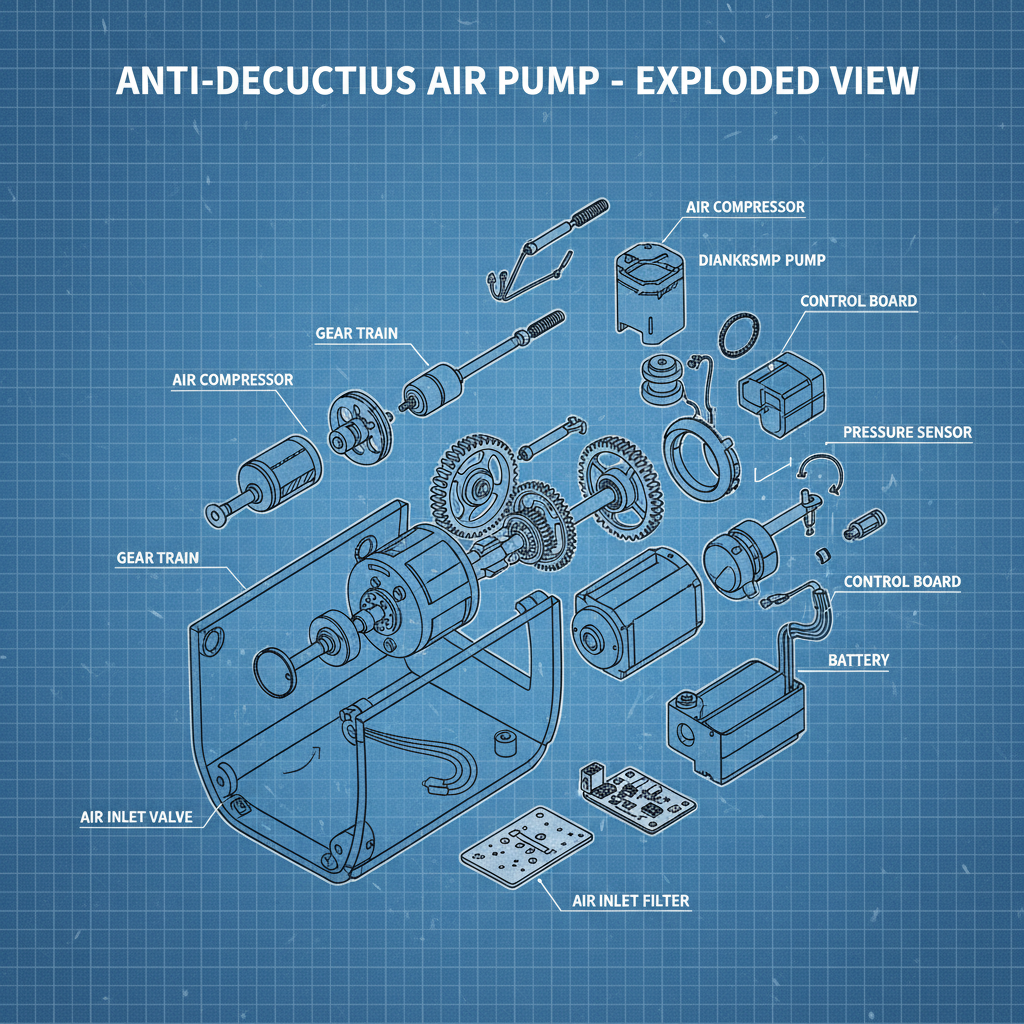
Maintaining and Caring for Your Air Pump System
Regular maintenance is crucial for ensuring the effectiveness and longevity of your anti decubitus air pump system. This includes regularly checking the mattress or cushion for punctures or damage, cleaning the pump and mattress covers according to the manufacturer's instructions, and inspecting the air hoses for leaks. Following the manufacturer’s recommended maintenance schedule will help prevent breakdowns and ensure optimal performance. Also, routinely assess the patient’s skin for any signs of pressure damage, even while using the system.
Conclusion: Protecting Patients with Advanced Technology
Investing in a high-quality anti decubitus air pump is a critical step in preventing pressure ulcers and improving patient care. By understanding the technology, choosing the right system, and implementing a consistent maintenance plan, healthcare providers and caregivers can significantly reduce the risk of these debilitating injuries and enhance the quality of life for those at risk.
Frequently Asked Questions (FAQs)
How often should the mattress or cushion be inspected for damage?
The mattress or cushion should be inspected at least daily for any signs of punctures, tears, or damage to the air cells. Pay close attention to seams and areas that experience high stress. Regular inspection is vital to ensure the system maintains its effectiveness and continues to provide adequate pressure redistribution. Document any damage and replace the mattress or cushion if necessary. It’s also important to check the pump's filter regularly and replace it as recommended by the manufacturer.
What is the recommended air pressure setting for an anti decubitus mattress?
The optimal air pressure setting varies depending on the patient's weight, body type, and individual needs. It’s crucial to follow the manufacturer's guidelines and consult with a healthcare professional to determine the appropriate pressure setting. Generally, the pressure should be adjusted to achieve a comfortable level of support while ensuring adequate pressure redistribution. Avoid setting the pressure too high, as this can reduce the effectiveness of the system and potentially cause discomfort.
Can anti decubitus air pumps be used with patients who have existing pressure ulcers?
Anti decubitus air pumps can be used as part of a comprehensive treatment plan for patients with existing pressure ulcers, but they should not be considered a standalone solution. The pump helps to offload pressure from the affected area, promoting healing and preventing further damage. However, it's essential to address other factors such as wound care, nutrition, and pain management. Consult with a healthcare professional for appropriate wound care protocols and to determine if an air pump is suitable for the patient’s specific condition.
How often should the air pump filter be replaced?
The air pump filter should be replaced according to the manufacturer's recommendations, typically every 3-6 months, or more frequently if the pump is used in a dusty or contaminated environment. A clogged filter can reduce the pump's efficiency and potentially damage the motor. Regularly inspecting and replacing the filter ensures optimal performance and prolongs the lifespan of the pump.
-
Ultimate Guide to Choosing Extra Wide Waiting Room ChairsNewsApr.16,2026
-
Guide to Choosing Professional Waiting Room Chairs Wipeable SeatingNewsApr.09,2026
-
Enhance Your Space with Comfortable Wide Waiting Room ChairsNewsApr.07,2026
-
Selecting the Ideal Brown Waiting Room Chairs for a Welcoming SpaceNewsApr.04,2026
-
Choosing Comfortable Patient Waiting Room Chairs for Healthcare FacilitiesNewsMar.31,2026
-
Finding the Best Deals on Affordable and Cheap Reception Chairs for Your BusinessNewsMar.28,2026
-
Enhance Your Business Reception with Comfortable Blue Reception ChairsNewsMar.26,2026