Welcome to our websites!


Adjustable Hospital Saline Stand | Durable IV Pole Solutions
The Pivotal Role of Medical Support Equipment in Modern Healthcare
In the rapidly evolving landscape of healthcare, the efficacy and safety of patient care are profoundly influenced by the quality and design of medical support equipment. While often overlooked in favor of high-tech diagnostic machinery, seemingly simple devices play a critical role in daily operations. Among these, the hospital saline stand stands as an indispensable tool, facilitating crucial intravenous fluid administration, medication delivery, and blood transfusions. Its design, stability, and hygienic properties directly impact patient comfort and clinical workflow.
The modern hospital environment demands a holistic approach to patient experience, extending beyond primary medical interventions. This includes creating comfortable recovery spaces, efficient transfer mechanisms, and ergonomic support systems. Complementary items such as a comfortable hospital futon for waiting areas, a recliner chair for hospital use in infusion centers, and thoughtfully designed hospital lobby chairs contribute significantly to this comprehensive patient-centered care. Even post-discharge, considerations for a quality mattress for hospital bed at home reflect a continuum of care that prioritizes patient well-being.
Industry Trends in Medical Support Equipment Design
Contemporary trends in medical support equipment, particularly for the hospital saline stand, are driven by several key factors: enhancing patient safety, improving clinician efficiency, and adhering to stringent hygiene protocols. Innovations are focusing on:
- Ergonomic Design: Ensuring easy height adjustment, maneuverability, and stability to prevent accidental tip-overs, which is crucial in dynamic clinical settings.
- Advanced Materials: Utilizing lightweight yet robust materials such as medical-grade stainless steel (AISI 304 or 316), anodized aluminum, and high-impact ABS plastics. These materials offer superior corrosion resistance, ease of cleaning, and durability against common hospital disinfectants.
- Integrated Functionality: Designing stands with additional features like integrated pump holders, multi-hook configurations, and specialized trays for instruments or waste disposal, optimizing bedside workflow.
- Infection Control Focus: Surfaces are increasingly designed to be smooth, non-porous, and easily accessible for thorough disinfection, minimizing healthcare-associated infections (HAIs).
- Modularity and Customization: Offering modular components and customizable options to meet the diverse needs of different departments within a hospital, from pediatric wards to intensive care units.
These trends underscore a commitment to developing medical equipment that is not only functional but also seamlessly integrates into the complex operational demands of modern healthcare facilities.
Manufacturing Process of the hospital saline stand
The production of a high-quality hospital saline stand involves a multi-stage manufacturing process, emphasizing precision engineering, material science, and rigorous quality control. The process ensures durability, stability, and adherence to medical-grade hygiene standards.
Key Manufacturing Steps:
- Material Selection and Preparation: High-grade materials such as AISI 304 stainless steel tubing for upright poles and bases, and high-strength aluminum alloys for telescopic mechanisms are sourced. Plastics used for casters and caps are typically medical-grade ABS or polypropylene.
- Precision Tube Bending and Forming: Stainless steel tubes undergo CNC (Computer Numerical Control) bending to achieve precise angles for the base legs, ensuring stability and optimal footprint. This process minimizes welding, enhancing structural integrity.
- Welding and Joining: Components are meticulously welded using TIG (Tungsten Inert Gas) welding for strong, clean joints, particularly for the base assembly. All welds are polished to remove sharp edges and create smooth, hygienic surfaces.
- Surface Finishing: Stainless steel components undergo electropolishing or satin finishing to enhance corrosion resistance and create a smooth, easy-to-clean surface. Aluminum parts are typically anodized for durability and aesthetic appeal.
- Component Machining: Internal components such as height adjustment mechanisms (e.g., friction lock, spring-loaded pin, or pneumatic assist systems) are precisely machined using CNC processes, ensuring smooth operation and long service life.
- Assembly: Individual components, including the pole, base, casters, hooks, and height adjustment system, are assembled. Casters are typically twin-wheel, non-marking, and often feature braking mechanisms for secure positioning.
- Quality Control and Testing: Each stand undergoes stringent testing to meet international standards such as ISO 13485 (Medical Devices - Quality Management Systems) and ASTM F1864 (Standard Specification for Saline Stands). Tests include static load capacity, dynamic load (maneuverability), stability against tipping, corrosion resistance, and operational smoothness of height adjustment.
- Packaging: Finished products are cleaned, sanitized, and packaged to prevent contamination and damage during transit.
The typical service life for a well-maintained hospital saline stand can exceed 10 years, even in high-traffic environments, thanks to robust materials and construction. Advantages derived from this meticulous process include superior stability, exceptional ease of disinfection, high corrosion resistance against medical solutions, and ergonomic adjustability for diverse clinical needs.
Technical Specifications & Data Visualization
Understanding the technical specifications of a hospital saline stand is crucial for procurement managers and medical professionals to ensure compatibility with clinical requirements and safety standards. Below is a representative specification table:
| Feature | Specification | Benefit to Healthcare |
|---|---|---|
| Material (Pole) | Medical-grade AISI 304 Stainless Steel | Superior corrosion resistance, ease of sterilization, durability. |
| Material (Base) | Heavy-duty Cast Iron with ABS Cover / Stainless Steel | Enhanced stability, prevents tipping, smooth for cleaning. |
| Height Adjustment Range | 120 cm - 220 cm (47 in - 87 in) | Accommodates various patient heights and clinical procedures. |
| Base Diameter | 60 cm (24 in) (5-leg star base) | Broad footprint for maximum stability, reduces collision risk. |
| Caster Type | 5x 75mm (3 in) Twin-wheel, Non-marking, Locking Casters | Smooth mobility, secure locking for stationary use, floor protection. |
| Load Capacity (Hooks) | Max. 5 kg (11 lbs) per hook, 20 kg (44 lbs) total | Supports multiple IV bags, infusion pumps, and accessories. |
| Number of Hooks | 2 or 4 (integrated, anti-drop design) | Versatility for multi-infusion protocols. |
| Net Weight | Approximately 8-12 kg (17.6-26.5 lbs) | Manageable for staff, stable during patient movement. |
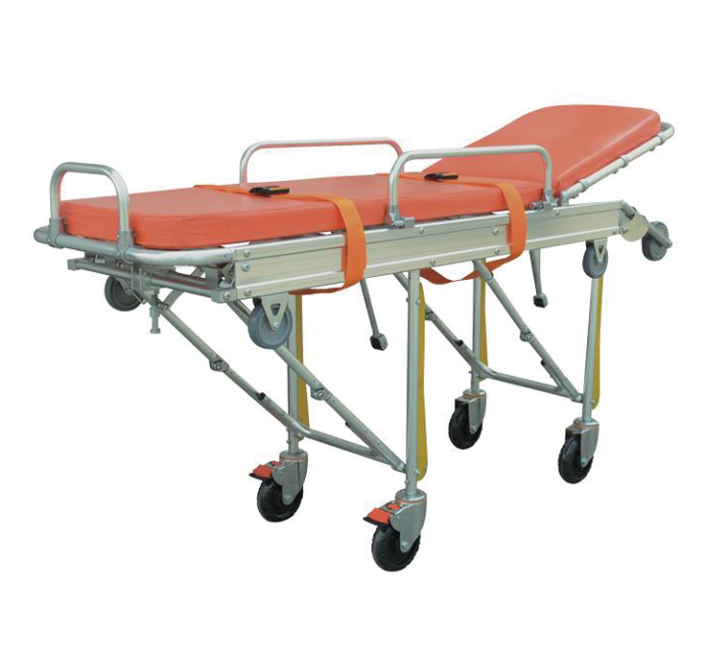
Image: A robust and easily maneuverable hospital saline stand, designed for critical care environments.
Application Scenarios and Enhanced Patient Experience
The utility of the hospital saline stand extends across virtually every department of a medical facility, from routine check-ups to critical care interventions. Its versatility is key to efficient patient management and treatment delivery.
- Patient Wards & Rooms: Essential for administering continuous IV fluids, antibiotics, and nutritional support, allowing patients to remain mobile within their room or during short transfers.
- Operating Rooms (OR) & Pre/Post-Op Areas: Provides stable support for multiple IV lines and surgical irrigation solutions during procedures and recovery phases.
- Emergency Departments (ED): Crucial for rapid fluid resuscitation and medication delivery in critical situations, where speed and reliability are paramount.
- Infusion Centers: Supports patients undergoing chemotherapy, blood transfusions, or prolonged IV therapies. In these settings, the availability of comfortable seating, such as a recliner chair for hospital use, significantly enhances the patient experience during extended treatment sessions.
- Outpatient Clinics: Used for minor procedures requiring IV access, vaccinations, or short-term fluid administration.
- Diagnostic Imaging Suites: Facilitates contrast agent administration during MRI or CT scans, ensuring continuous patient support.
User feedback consistently highlights the importance of smooth-gliding, lockable casters for effortless transport and secure positioning. The ease of adjusting height and the robust design to prevent tipping are frequently cited benefits, contributing to both patient safety and staff efficiency. For instance, a nurse in a busy ED noted, "A reliable hospital saline stand that's easy to maneuver and lock securely can make all the difference when seconds count. It frees me to focus on the patient, not wrestling with equipment." This real-world experience underscores the critical impact of quality medical devices.
Technical Advantages and Authoritative Compliance
The technical advantages of a superior hospital saline stand are multifaceted, delivering tangible benefits across patient care and operational efficiency. These advantages are intrinsically linked to adherence to rigorous industry standards and certifications.
Key Technical Advantages:
- Enhanced Stability: Wide-diameter bases, often incorporating weighted cores, prevent tipping even with multiple heavy IV bags or attached infusion pumps. This is critical in preventing accidents and ensuring continuous treatment.
- Superior Mobility: High-grade, non-marking, and anti-static casters ensure smooth, silent movement across various floor surfaces, crucial for patient transfers and repositioning. Locking mechanisms provide secure stationary placement.
- Corrosion Resistance & Hygiene: Medical-grade stainless steel and specialized coatings provide exceptional resistance to disinfectants, bodily fluids, and general wear, facilitating thorough cleaning and reducing cross-contamination risks.
- Precise Height Adjustment: Advanced mechanisms (e.g., one-hand spring-assisted, pneumatic, or friction lock) allow for effortless and accurate height positioning, accommodating different patient and bed heights and optimizing ergonomic access for clinicians.
- Durable Construction: Engineered for continuous heavy-duty use in demanding hospital environments, leading to a longer product lifespan and lower total cost of ownership.
Authoritative Compliance:
Reputable manufacturers adhere to international quality and safety standards, providing assurance of product reliability and performance:
- ISO 9001: General quality management system certification, ensuring consistent product quality.
- ISO 13485: Specific to medical devices, this certification dictates a comprehensive quality management system for the design and manufacture of medical products.
- CE Marking: Mandatory conformity mark for products sold within the European Economic Area, indicating compliance with health, safety, and environmental protection standards.
- FDA Compliance: For products marketed in the United States, adherence to FDA regulations (e.g., 21 CFR Part 820 Quality System Regulation) ensures medical device safety and efficacy.
These certifications, along with partnerships with leading healthcare providers, demonstrate a commitment to authoritative design and manufacturing. Such reliability extends benefits throughout the hospital, ensuring that essential equipment like the hospital saline stand functions flawlessly, contributing to a seamless and safe patient journey from the emergency room to the recovery area, and even influencing the patient's perception of care from the moment they enter the well-appointed hospital lobby chairs.
Vendor Comparison: Selecting the Optimal hospital saline stand
When investing in medical equipment, a thorough vendor comparison is essential for B2B decision-makers. The choice of a hospital saline stand can impact long-term operational costs, staff satisfaction, and patient safety. Below is a comparative overview of different product tiers/vendor approaches:
| Feature/Vendor Type | Economy Tier | Mid-Range Tier | Premium Tier (High-Performance) |
|---|---|---|---|
| Material (Pole/Base) | Chrome-plated steel, plastic base | Stainless steel pole, cast iron base with ABS cover | AISI 304/316 Stainless steel, heavy-duty low-profile base |
| Height Adjustment | Manual screw lock, limited range | Friction lock or spring-loaded pin, good range | One-hand pneumatic/gas spring assist, wide, precise range |
| Casters | Basic plastic, limited mobility, some with brakes | Rubber/Nylon twin-wheel, 2 locking | Premium anti-static, non-marking, all-locking casters (e.g., TENTE) |
| Load Capacity | Up to 10 kg (22 lbs) | Up to 20 kg (44 lbs) | Up to 30 kg (66 lbs) or more |
| Certifications | Basic quality control | ISO 9001, CE Mark | ISO 13485, FDA/CE, specific load/stability testing |
| Warranty | 1-2 years limited | 3-5 years | 5+ years, comprehensive |
| Typical Price Range | Low | Medium | High |
While economy models may offer initial cost savings, the long-term total cost of ownership often favors mid-range to premium options due to superior durability, lower maintenance requirements, and enhanced safety features that minimize patient risk and staff injury.
Customized Solutions for Medical Facilities
Recognizing that no two medical facilities are identical, leading manufacturers offer customized solutions for the hospital saline stand to precisely match specific operational requirements and aesthetic preferences. This bespoke approach ensures optimal integration and functionality.
Customization options can include:
- Specific Height Ranges: Tailoring the minimum and maximum height adjustments for specialized departments (e.g., pediatrics, bariatric care).
- Caster Configurations: Offering various caster types (e.g., larger diameters for rougher floors, specialized anti-static for sensitive environments, directional lock for long-distance transport).
- Integrated Accessories: Adding permanent or detachable mounts for infusion pumps, syringe drivers, sharps container111s, patient monitors, or dedicated utility baskets.
- Material and Finish Options: Providing choices in stainless steel grades, antimicrobial coatings, or specific color accents to match facility branding or departmental coding.
- Number and Type of Hooks: Customizing the number of IV hooks and their design (e.g., simple ram-horn, anti-drop, or specific safety hooks).
By collaborating closely with healthcare providers, manufacturers can design and deliver hospital saline stand solutions that not only meet the highest standards of safety and hygiene but also enhance workflow efficiency and the overall clinical environment. This forward-thinking approach ensures that equipment is an asset, not a limitation.
Application Case Study: Enhancing Patient Mobility and Safety
A leading metropolitan hospital network faced challenges with their existing fleet of IV poles, including frequent tipping, difficult maneuverability, and insufficient load capacity for modern multi-pump infusions. These issues led to increased staff workload, potential safety hazards, and disruptions in patient care.
Solution Implemented: The hospital partnered with a premium manufacturer to replace their outdated equipment with a customized fleet of hospital saline stand units. The new stands featured:
- Heavy-duty, low-profile 5-leg bases for enhanced stability.
- One-hand pneumatic height adjustment for ease of use by nurses of varying heights.
- Premium anti-static, twin-wheel locking casters for smooth transit and secure positioning.
- Integrated four-hook system with anti-drop design, capable of supporting up to 25 kg.
- Medical-grade AISI 304 stainless steel construction with a polished finish for superior infection control.
Results Achieved: Post-implementation, the hospital reported significant improvements:
- Reduced Tip-Overs: A 90% reduction in reported IV pole tip-overs, drastically improving patient and staff safety.
- Enhanced Staff Efficiency: Nurses reported a 20% improvement in time spent maneuvering and adjusting IV poles, allowing more focus on direct patient care.
- Improved Patient Mobility: Patients felt more secure and confident when ambulating with the new stands, leading to better early mobilization outcomes.
- Superior Infection Control: The smooth, easy-to-clean surfaces contributed to a measurable decrease in surface contamination rates in routine audits.
This case study exemplifies how investing in high-quality, purpose-built medical equipment, such as the advanced hospital saline stand, can deliver measurable operational benefits and significantly elevate the standard of patient care. This extends to the comfort and recovery of patients, influencing choices for home care items like a durable mattress for hospital bed at home, creating a seamless and supportive care journey.
Trustworthiness & Support
Frequently Asked Questions (FAQ)
- Q: What is the recommended cleaning procedure for a hospital saline stand?
- A: We recommend using standard hospital-grade disinfectants and following manufacturer guidelines for stainless steel and plastic surfaces. Avoid abrasive cleaners. Regular cleaning prevents bio-film buildup and ensures hygiene.
- Q: Can your saline stands be customized for specific height requirements?
- A: Yes, we offer customized height adjustment ranges and pole lengths to meet unique departmental needs, such as for pediatric or bariatric care. Please contact our sales team for detailed customization options.
- Q: Are replacement parts readily available for your saline stands?
- A: Absolutely. We maintain a comprehensive inventory of spare parts, including casters, hooks, and height adjustment mechanisms, to ensure quick and efficient repairs and minimize downtime for your facility.
Lead Time & Fulfillment
Standard models of our hospital saline stand typically have a lead time of 2-4 weeks from order confirmation, depending on order volume. Customized solutions may require 6-8 weeks for design, production, and quality assurance. We offer global shipping and work with trusted logistics partners to ensure timely and secure delivery to your facility.
Warranty Commitments
All our medical support equipment, including the hospital saline stand series, comes with a comprehensive 5-year warranty against manufacturing defects. This warranty covers structural integrity, material failures, and functional components under normal use conditions. Specific components like casters may have a 1-year warranty due to wear and tear. Detailed warranty terms are available upon request.
Customer Support Information
Our dedicated customer support team is available to assist with product inquiries, technical support, spare parts ordering, and warranty claims. We provide multi-channel support through phone, email, and a dedicated online portal. Our goal is to ensure long-term satisfaction and optimal performance of your investment.
Contact Information:
Phone: +XX-XXX-XXXX-XXXX (Sales & Support)
Email: support@example.com (General Inquiries) / sales@example.com (Quotations)
Website: www.cnboxin.com (For product catalogs and more information)
Conclusion
The hospital saline stand, while a seemingly simple piece of equipment, is a cornerstone of effective and safe patient care in any medical facility. Its design, material quality, manufacturing precision, and adherence to international standards directly impact clinical workflows, staff efficiency, and ultimately, patient outcomes. By understanding the intricate details of its production, the technical advantages it offers, and the comprehensive support provided by reputable vendors, B2B decision-makers can make informed choices that contribute to a safer, more efficient, and patient-centered healthcare environment.
The continuous innovation in medical support equipment, driven by an unwavering commitment to quality and patient well-being, ensures that every aspect of care is optimized, from the most complex surgical procedures to the simplest infusion, forming the backbone of modern healthcare delivery.
References
- International Organization for Standardization. ISO 13485:2016 Medical devices — Quality management systems — Requirements for regulatory purposes. Available at: https://www.iso.org/standard/59752.html
- ASTM International. ASTM F1864 - 10(2018) Standard Specification for Saline Stands. Available at: https://www.astm.org/f1864-10r18.html
- U.S. Food and Drug Administration. 21 CFR Part 820 Quality System Regulation. Available at: https://www.fda.gov/medical-devices/postmarket-requirements-devices/quality-system-qs-regulation-and-current-good-manufacturing-practice-cgmp-regulations
-
Ultimate Guide to Choosing Extra Wide Waiting Room ChairsNewsApr.16,2026
-
Guide to Choosing Professional Waiting Room Chairs Wipeable SeatingNewsApr.09,2026
-
Enhance Your Space with Comfortable Wide Waiting Room ChairsNewsApr.07,2026
-
Selecting the Ideal Brown Waiting Room Chairs for a Welcoming SpaceNewsApr.04,2026
-
Choosing Comfortable Patient Waiting Room Chairs for Healthcare FacilitiesNewsMar.31,2026
-
Finding the Best Deals on Affordable and Cheap Reception Chairs for Your BusinessNewsMar.28,2026
-
Enhance Your Business Reception with Comfortable Blue Reception ChairsNewsMar.26,2026