Welcome to our websites!


Adjustable Hospital Chair - Comfort, Design & Innovation for Healthcare Facilities
The Global Importance of Adjustable Hospital Chairs: Comfort Meets Functionality
In hospitals, clinics, and healthcare facilities worldwide, an adjustable hospital chair is far from just a seat. It’s a silent workhorse, designed to enhance patient comfort and facilitate caregiving. With aging populations, increasing chronic illnesses, and the varied needs of emergency healthcare setups, understanding the value and function of these chairs becomes crucial — not just for medical professionals, but for anyone involved in healthcare infrastructure planning.
Globally, accessibility and adaptability in medical furniture significantly impact patient outcomes. According to WHO, over 1 billion people experience some form of disability, many requiring specialized furniture to support mobility and comfort. This demand fuels the need for well-designed adjustable hospital chairs that can cater to diverse body types and health needs.
Setting the Stage: Why Adjustable Hospital Chairs Matter Globally
Healthcare systems worldwide are under pressure. The UN projects a steady growth in the elderly population, which naturally increases hospital visits, patient stays, and long-term care requirements. Devices like adjustable hospital chairs are integral in reducing complications from extended immobility, such as pressure ulcers or circulatory problems.
It’s also about efficiency — for hospitals managing tight budgets, durable, multi-functional chairs that adjust in height, recline, footrest, and armrest settings help reduce the need for multiple kinds of furniture. Plus, they save nurses and caregivers from physical strain while moving or supporting patients.
Challenges such as space constraints, sanitation, and rapid deployment in disaster zones bring these chairs to the forefront. For instance, during the COVID-19 pandemic, flexible hospital furniture became crucial for adapting spaces quickly.
What Exactly Is an Adjustable Hospital Chair?
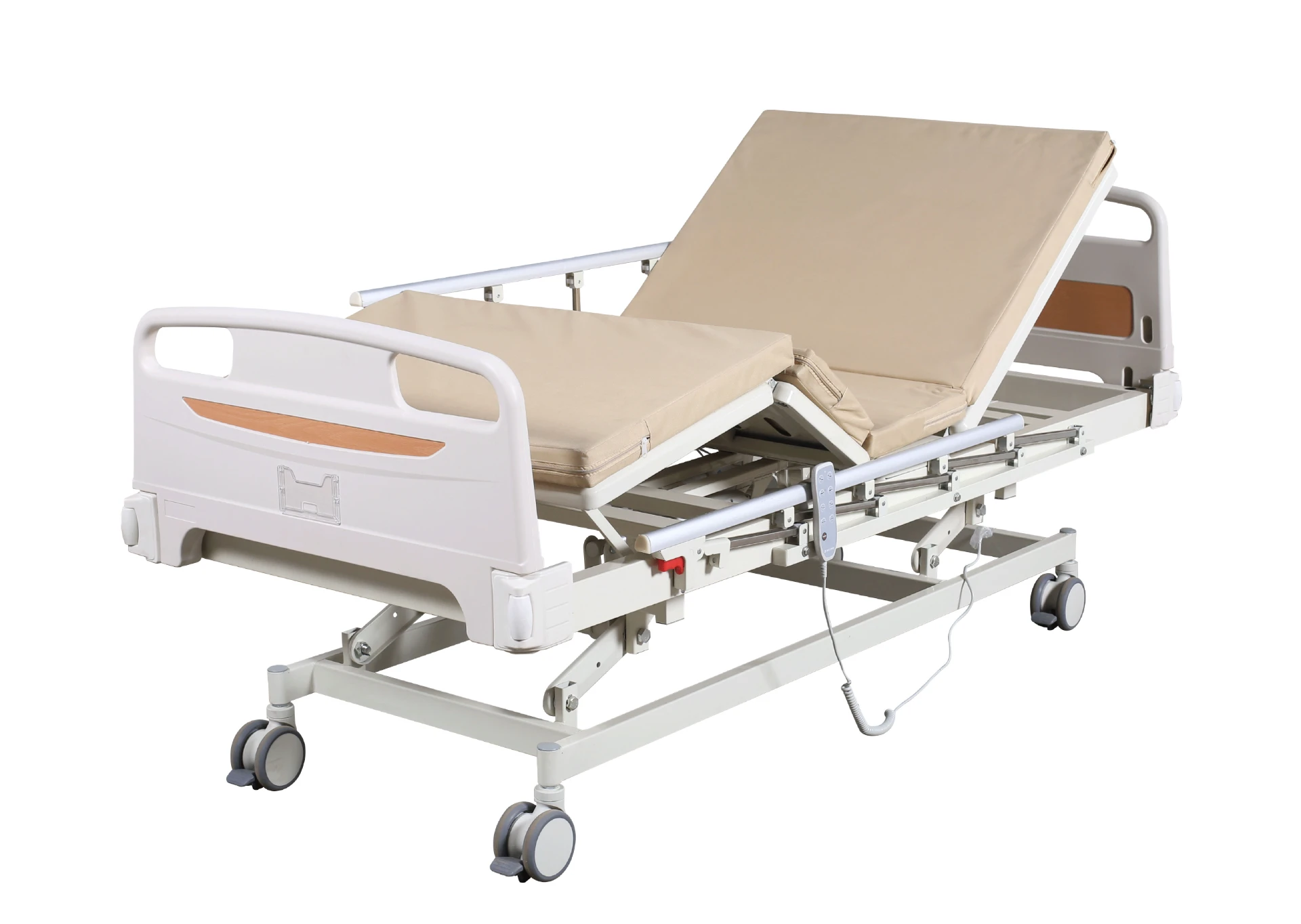
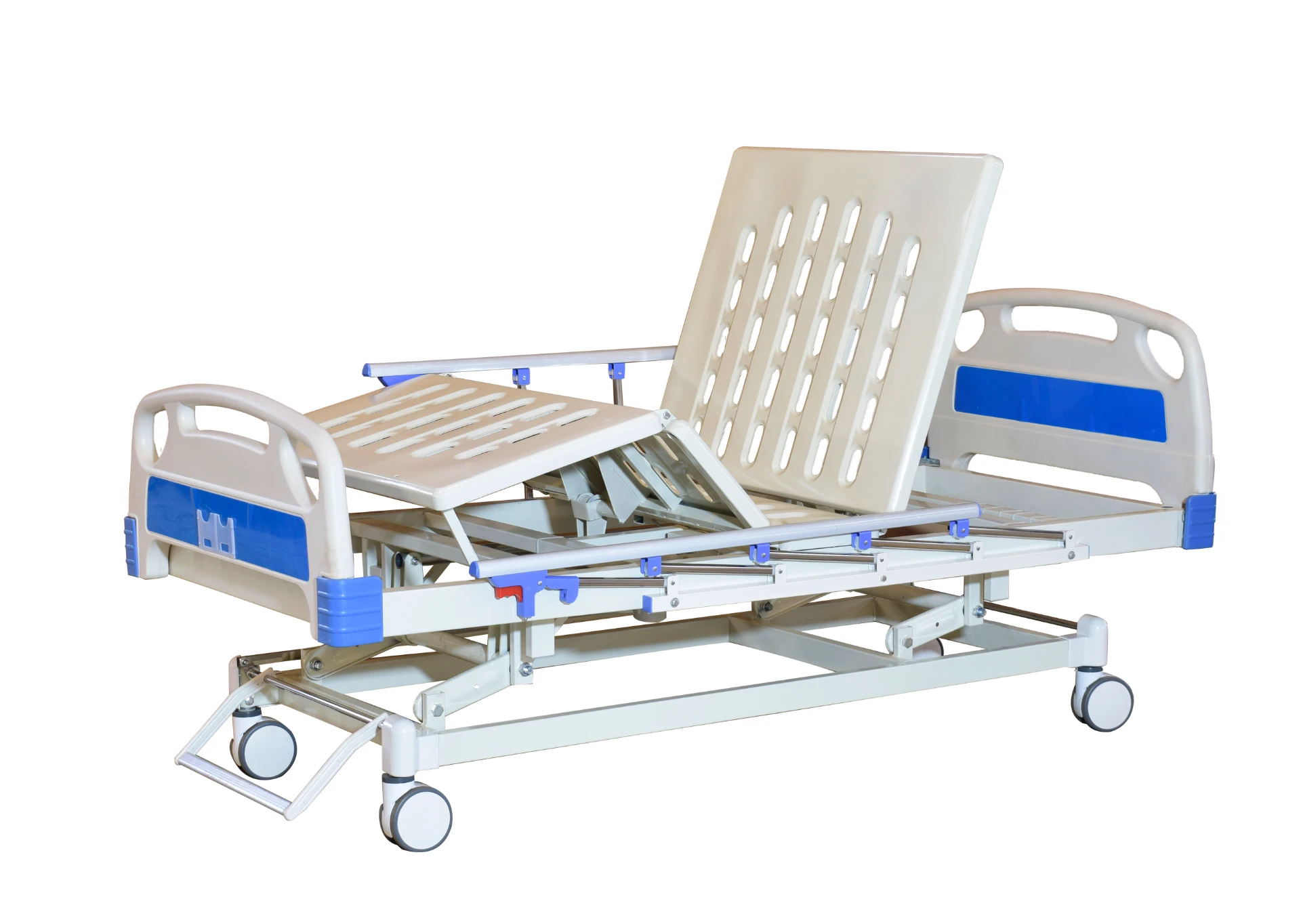
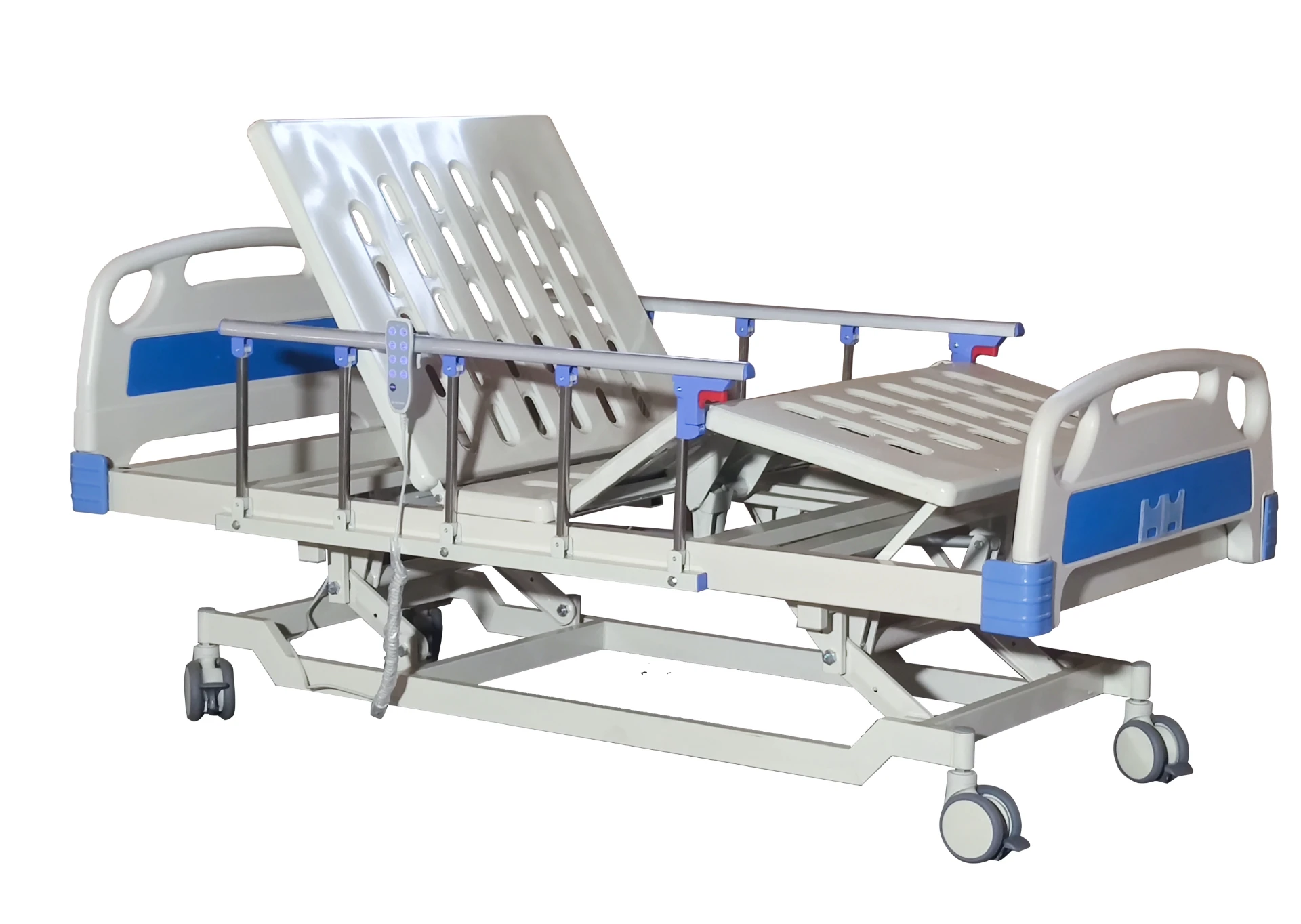
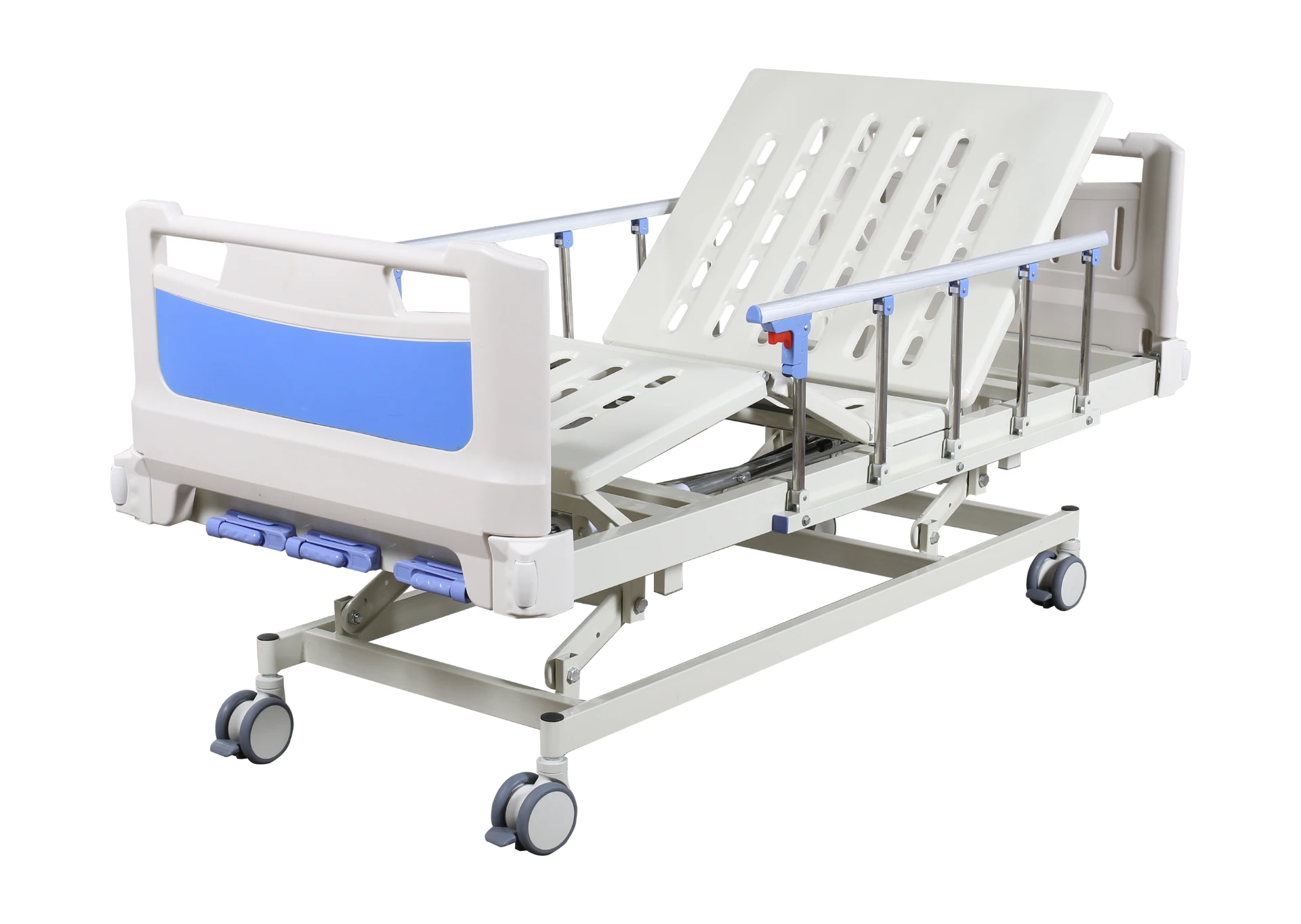
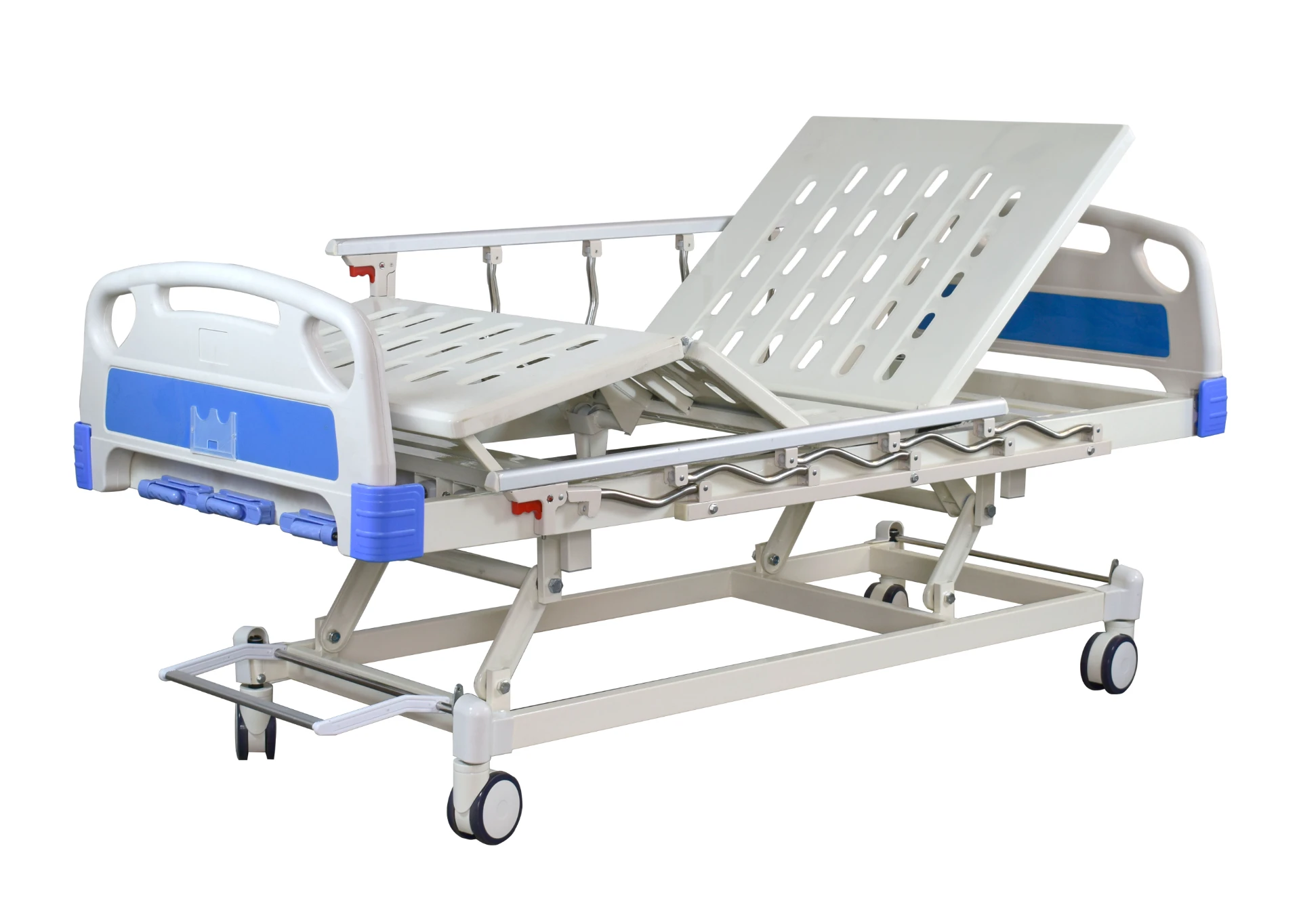
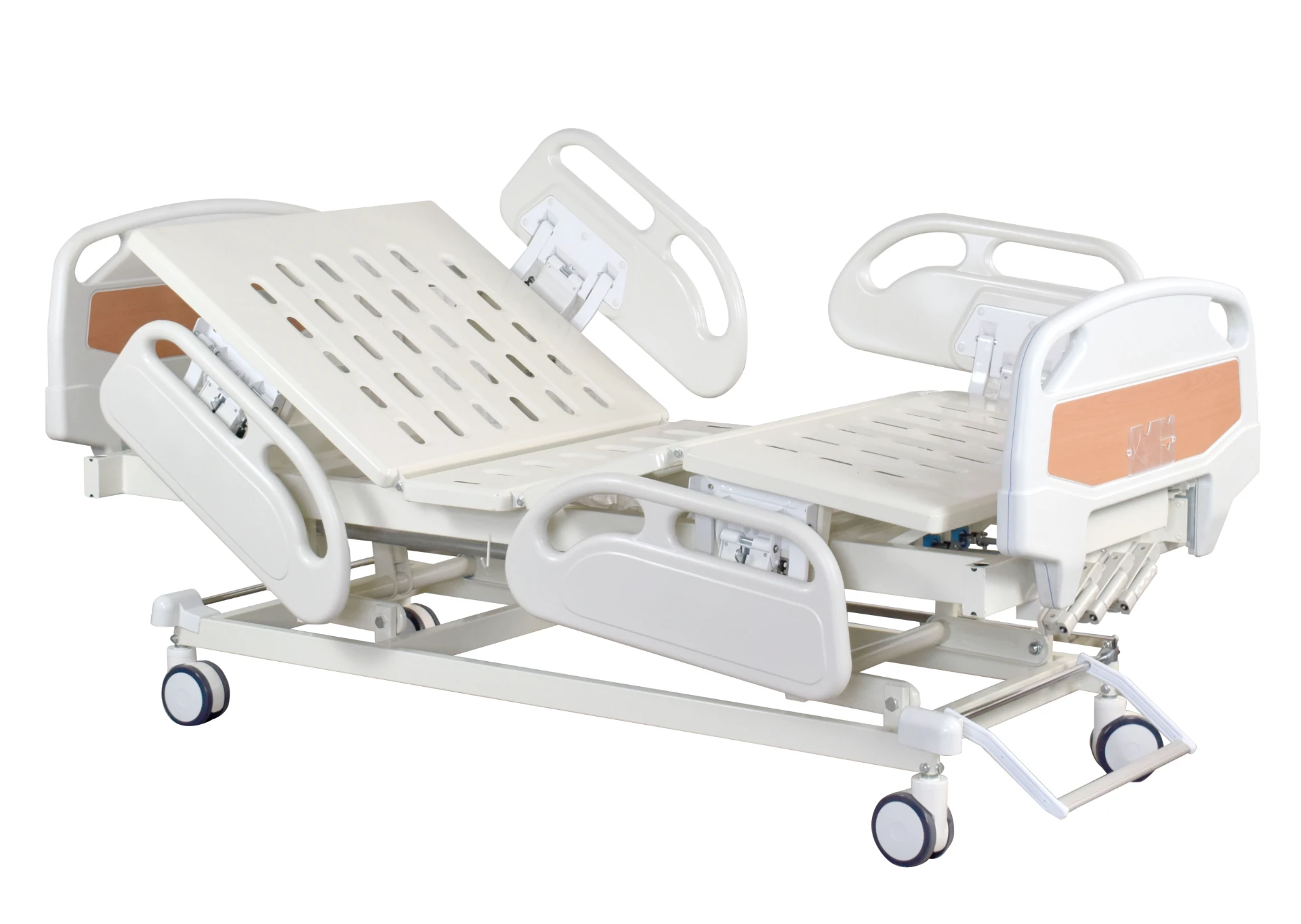
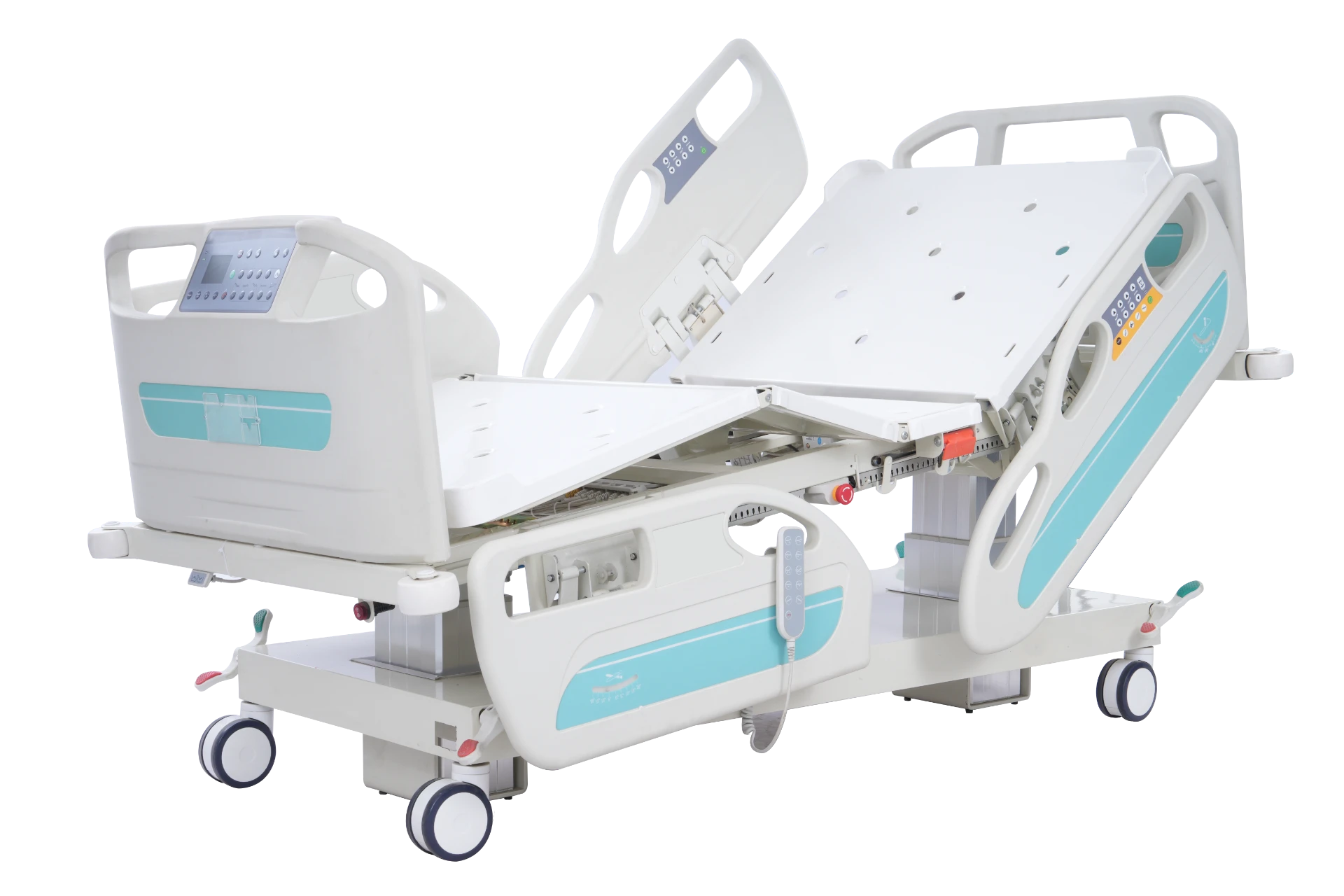
Put simply, an adjustable hospital chair is a seat designed specifically for patient care environments, equipped with multiple points of adjustment to suit different medical and comfort needs. These might include adjustable height, backrest angle, footrests, and sometimes even integrated features like IV poles or wheels for mobility.
The connection between these chairs and modern healthcare is strong: they respond directly to the needs for mobility, accessibility, and infection control, reflecting modern medical thinking about comfort and patient dignity in treatment settings.
Core Components to Look for in an Adjustable Hospital Chair
1. Durability and Materials
Most hospital chairs use sturdy steel frames paired with easy-to-clean vinyl or antimicrobial fabrics. This combination ensures longevity under constant cleaning and daily use — vital in healthcare where infection control is paramount.
2. Adjustability Features
Height adjustability is standard, but fine-tuned recline and leg rests offer better pressure relief and patient positioning. Some models even allow for tilt-in-space or Trendelenburg positioning for critical care scenarios.
3. Mobility and Safety
Lockable wheels or casters mean caregivers can easily move the chair while ensuring stability when needed. Safety brakes and anti-tip designs are common to prevent accidents — especially critical for elderly or unstable patients.
4. Comfort and Ergonomics
Padded, contoured seating, breathable materials, and armrests with variable positioning help reduce patient discomfort, a seemingly small factor that actually influences recovery and satisfaction.
5. Infection Control
Seamless surfaces, water-resistant upholstery, and materials compatible with standard hospital disinfectants help maintain hygiene. With global health standards (like ISO 10993 for biocompatibility), these specs matter a lot.
Real-World Applications: Where Adjustable Hospital Chairs Shine
In developed regions, these chairs are ubiquitous in hospital wards, outpatient clinics, dialysis centers, and even hospice care. Their role extends beyond clinical use into telemedicine hubs or aging-in-place care at home.
In developing countries or disaster response setups, the emphasis shifts to deployment speed and adaptability. NGOs and agencies like Médecins Sans Frontières often rely on lightweight but durable adjustable chairs to set up temporary clinics during emergencies.
For example, in remote mining camps or industrial zones, mobile health units use adjustable chairs for onsite medical exams and minor treatments — minimizing the need for patient transport.
Comparable Spec Sheet: Sample Adjustable Hospital Chair
| Feature | Specification Example |
|---|---|
| Frame Material | Powder-coated steel |
| Upholstery | Antimicrobial vinyl, wipeable |
| Adjustments | Height, backrest angle, leg rest, lockable wheels |
| Weight Capacity | 150 kg (330 lbs) |
| Dimensions (L×W×H) | 75 × 65 × 110 cm |
| Additional Features | IV pole holder, removable cushions |
Advantages of Using Adjustable Hospital Chairs: What’s the Real Long-Term Value?
- Cost Efficiency: Multi-purpose chairs reduce the need for extensive equipment inventories and replacements.
- Sustainability: Durable materials minimize waste and environmental footprint in the long run.
- Patient Dignity & Safety: Adjustable features allow patients to be seated comfortably without awkward manual repositioning.
- Caregiver Ergonomics: Reduces risk of musculoskeletal injuries among staff by easing patient transfers and adjustments.
- Adaptability: Can serve in emergency, routine, or long-term care settings.
Oddly enough, a chair might seem like a small piece in the complex healthcare machine, but its impact on trust and satisfaction inside hospital wards can be huge. When patients feel respected and comfortable, that reverberates through their treatment outcomes.
Innovations Shaping the Future of Adjustable Hospital Chairs
Emerging trends focus on automation and smart design. Think electronically controlled adjustments with memory presets tailored to patients’ needs, integrated sensors that monitor vital signs discreetly, or materials derived from biodegradable polymers. The push for sustainability means manufacturers are actively exploring greener manufacturing and recyclable parts.
Modular designs that allow quick swapping of worn components without full replacement also respond to both environmental and economic pressures.
Challenges and How Industry Innovators Are Addressing Them
The primary hurdles are cost, weight, and ease of cleaning. Cheaper models often sacrifice durability, while high-end versions might be too bulky or complex for routine use in fast-paced wards.
Some companies tackle this by using aluminum frames to cut weight without losing strength. Others work on antimicrobial fabric coatings that last longer under intense cleaning regimens. Digital integration poses its own challenges — reliability and hygienic design must be upheld alongside new tech.
FAQ: What People Commonly Ask About Adjustable Hospital Chairs
- Q1: How adjustable should a hospital chair really be?
- A1: The ideal level of adjustability depends on patient needs — but typically, height, backrest recline, and leg support are must-haves. Additional features like tilt-in-space improve pressure management but may be optional depending on care context.
- Q2: Are adjustable hospital chairs easy to sanitize?
- A2: Yes, most are designed with wipe-clean surfaces using antimicrobial vinyl and smooth joints to limit contamination. It's important to follow manufacturer guidelines on cleaning agents to keep materials intact.
- Q3: Can these chairs accommodate bariatric patients?
- A3: Many adjustable chairs offer bariatric versions with reinforced frames and higher weight ratings (300 kg or more). Always check specs before procurement to ensure safety and comfort for heavier users.
- Q4: How portable are adjustable hospital chairs for emergency setups?
- A4: Portability varies. Lightweight models with detachable parts are favored for rapid deployment, while heavy-duty chairs focus on comfort within fixed hospital wards.
- Q5: What are common warranties or service agreements?
- A5: Manufacturers typically offer one to three years warranty covering mechanical parts and electronics (if any). Some vendors provide extended service packages including repairs and replacement cushions.
Comparing Leading Vendors in Adjustable Hospital Chairs
| Vendor | Price Range | Material Quality | Adjustability | Warranty Period |
|---|---|---|---|---|
| MedComfort | $$$ | Premium steel & antimicrobial fabrics | Full electronic adjustments | 5 years |
| CareEase | $$ | Steel frame, wipe-clean vinyl | Manual recline & height | 2 years |
| HealthMobility | $$$ | Aluminum frame, antimicrobial coating | Manual with optional electric upgrades | 3 years |
In Closing: Why Adjustable Hospital Chairs Matter Now and Tomorrow
Whether you’re outfitting a modern urban hospital or a mobile clinic in a developing nation, adjustable hospital chairs are an essential investment in patient comfort, caregiver safety, and operational flexibility. Their smart design reflects deep practical knowledge and evolving healthcare standards worldwide.
If you’ve found yourself wondering about the best adjustable hospital chair for your facility, or are curious how these chairs can transform care environments, I encourage you to explore more on our site, including adjustable hospital chair solutions tailored for diverse needs.
Because when comfort meets innovation, patient care takes a step forward — and that’s something we all want to support.
References:
1. World Health Organization. Disability and Health
2. UN World Population Prospects 2019
3. ISO 10993-1: Biocompatibility Standards
-
Ultimate Guide to Choosing Extra Wide Waiting Room ChairsNewsApr.16,2026
-
Guide to Choosing Professional Waiting Room Chairs Wipeable SeatingNewsApr.09,2026
-
Enhance Your Space with Comfortable Wide Waiting Room ChairsNewsApr.07,2026
-
Selecting the Ideal Brown Waiting Room Chairs for a Welcoming SpaceNewsApr.04,2026
-
Choosing Comfortable Patient Waiting Room Chairs for Healthcare FacilitiesNewsMar.31,2026
-
Finding the Best Deals on Affordable and Cheap Reception Chairs for Your BusinessNewsMar.28,2026
-
Enhance Your Business Reception with Comfortable Blue Reception ChairsNewsMar.26,2026