Welcome to our websites!


Adjustable Hospital Bed Frame – Global Benefits, Specifications & Innovations
Adjustable Hospital Bed Frame: Enhancing Patient Care Worldwide
If you’ve ever spent any time in a hospital or nursing care center, you know that the bed isn’t just a place to lie down—it’s a vital piece of equipment that makes recovery and care manageable, even dignified. The adjustable hospital bed frame plays a core role in this, adapting to patients’ needs with ease. Globally, its impact stretches far beyond comfort; these beds are now essential for medical efficiency, patient safety, and even humanitarian crises. Understanding them is crucial for anyone in healthcare supply, facility management, or medical innovation.
Why Does It Matter Globally?
The World Health Organization estimates that hospital admissions keep rising due to aging populations and chronic diseases, increasing demands on healthcare infrastructure. Adjustable beds contribute to better patient outcomes by reducing bedsores, enabling easier nursing care, and facilitating mobility—key factors especially in developing regions and disaster relief situations. Frankly, these frames embody the intersection of technology and compassion.
Summary Takeaway:
- Adjustable hospital bed frames are central to patient comfort and recovery worldwide.
- Their design supports efficient, safer care, crucial in both developed and emergency contexts.
- Understanding their features helps stakeholders select or innovate better solutions.
What Is an Adjustable Hospital Bed Frame?
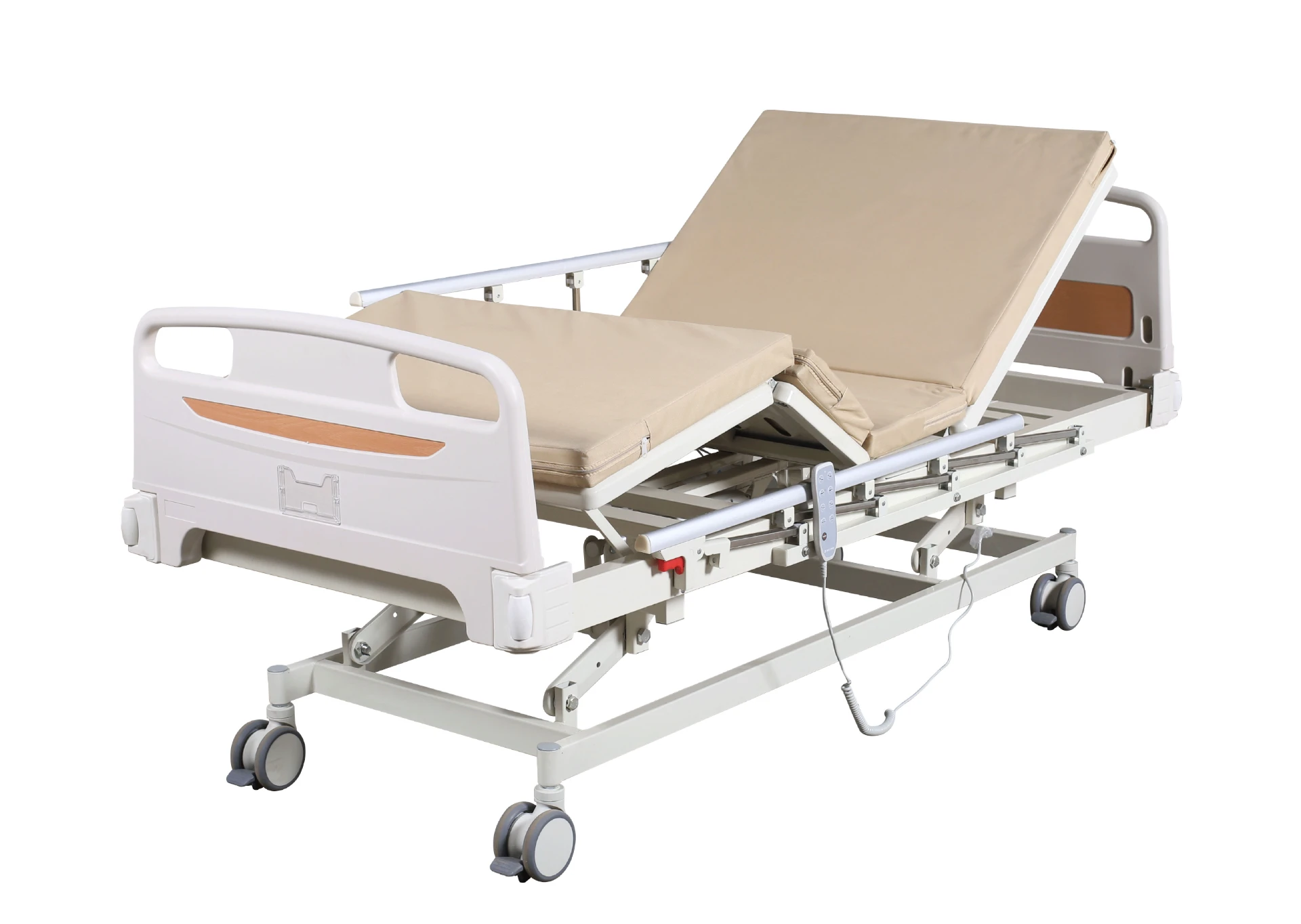
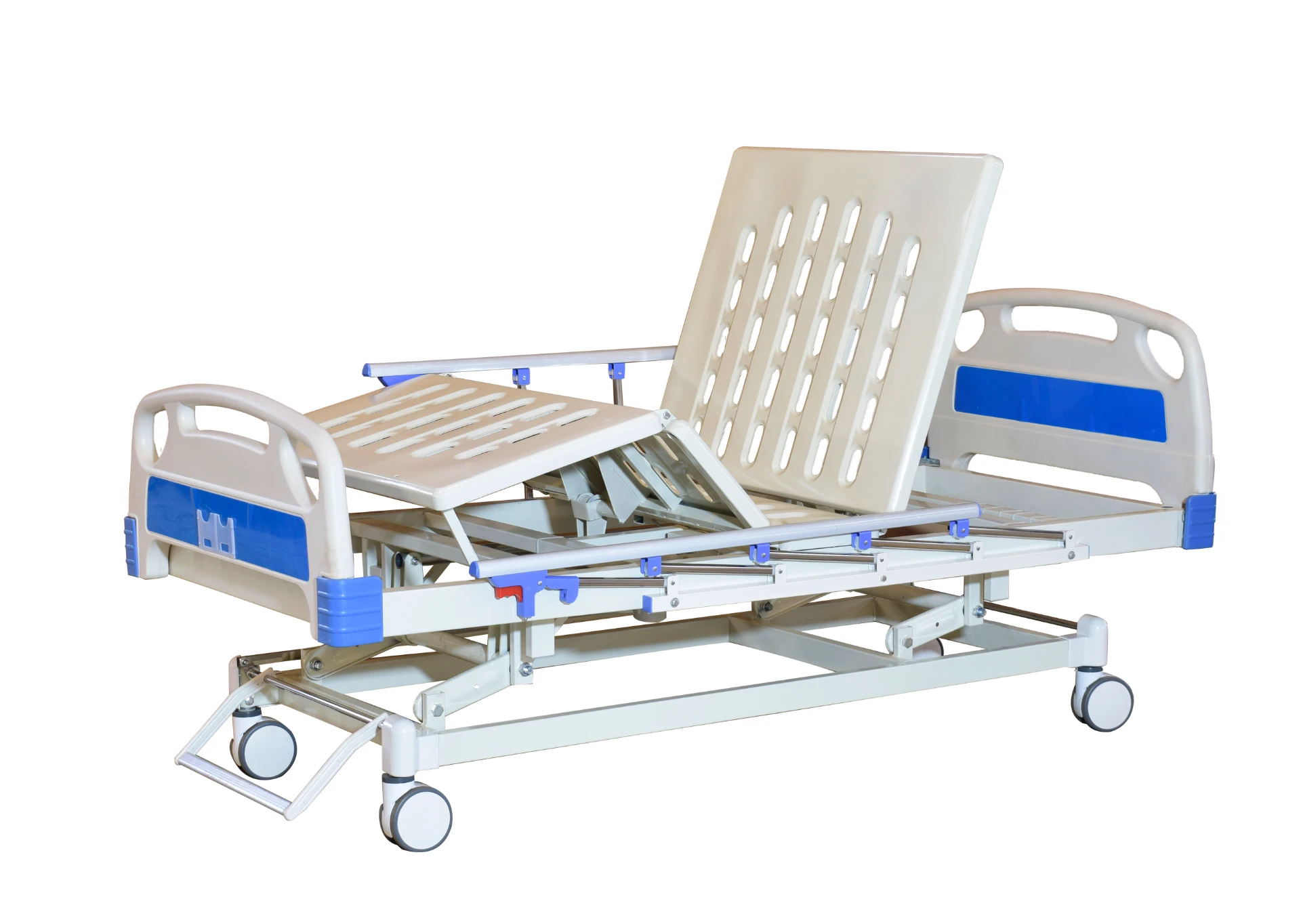
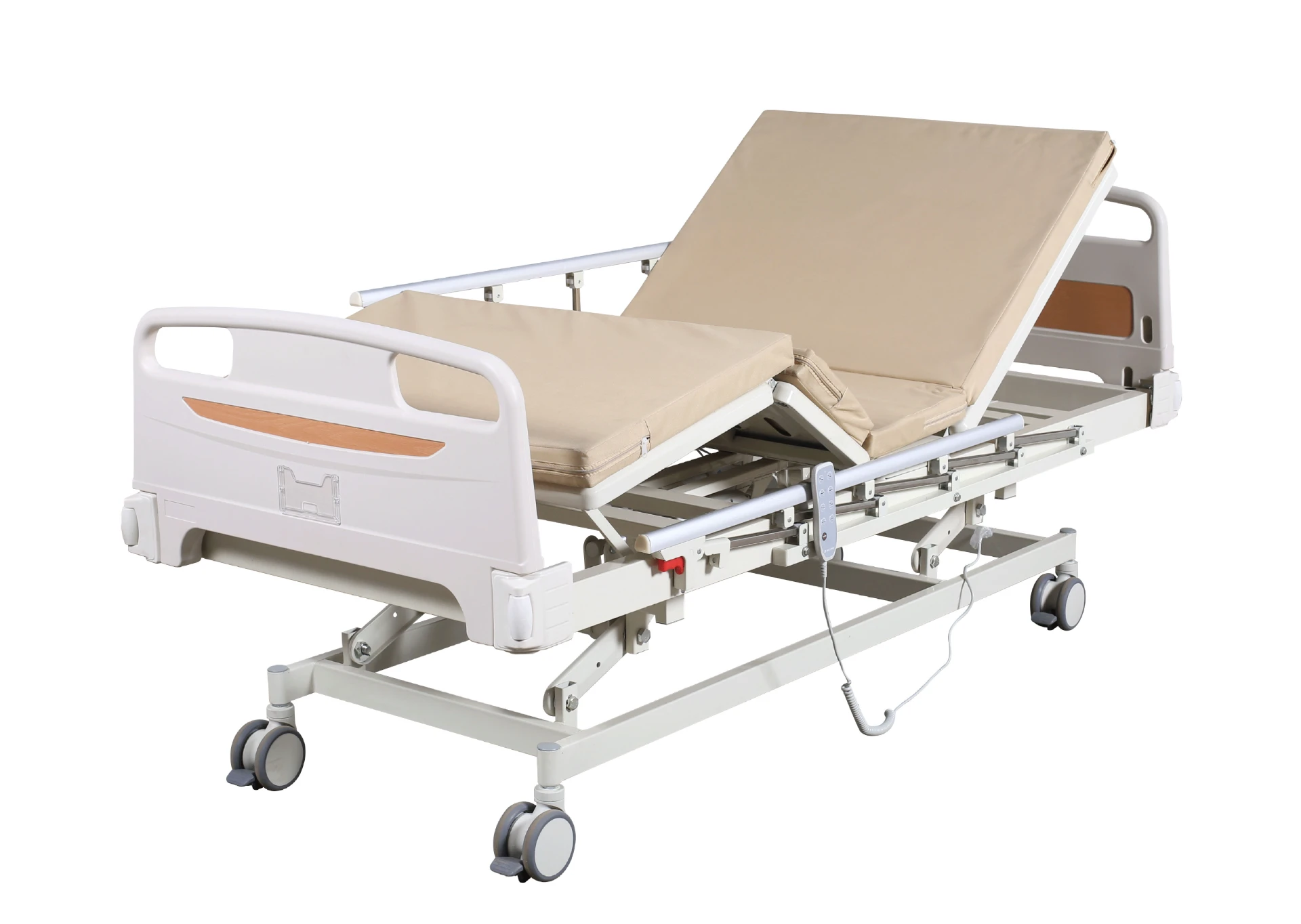
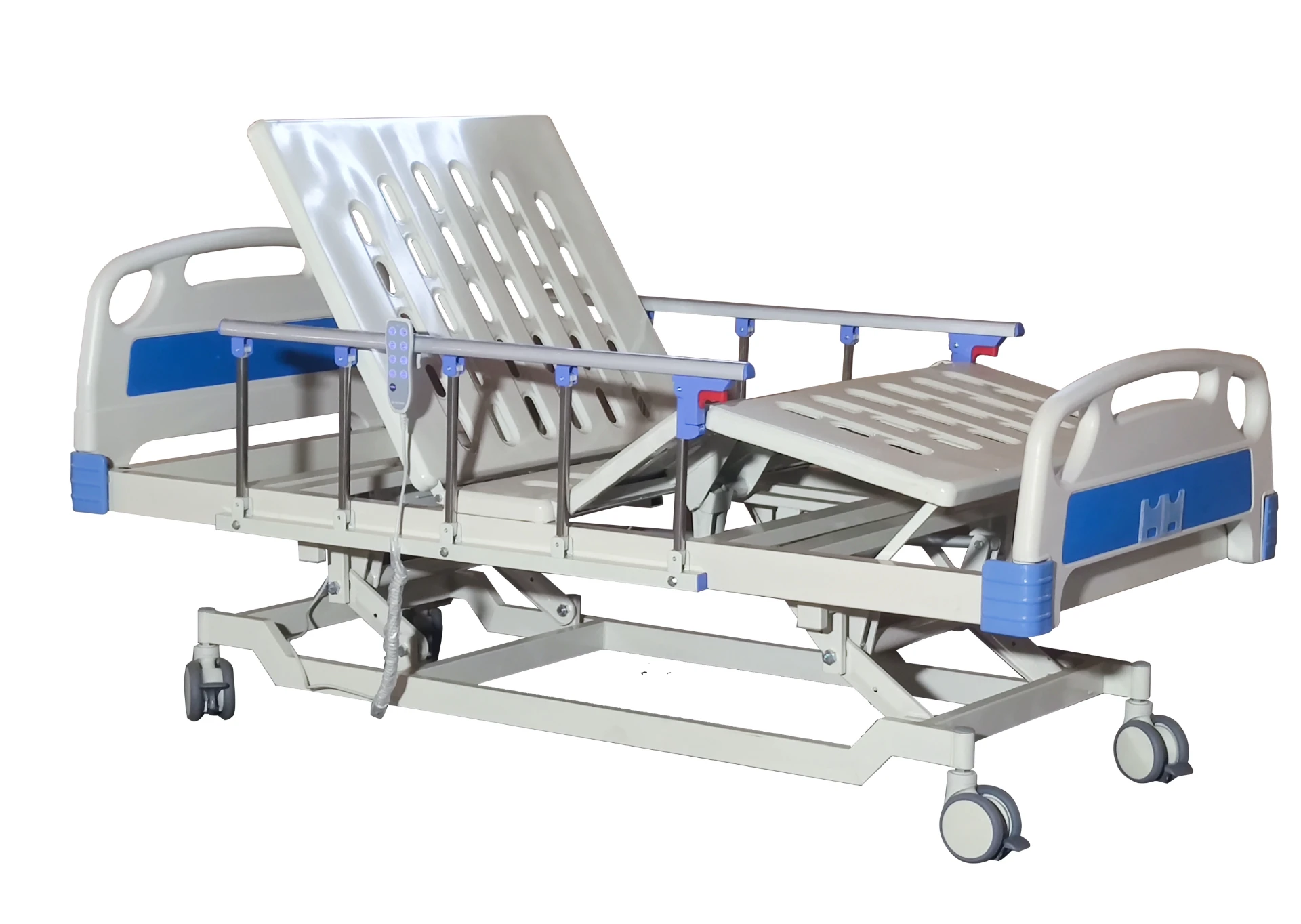
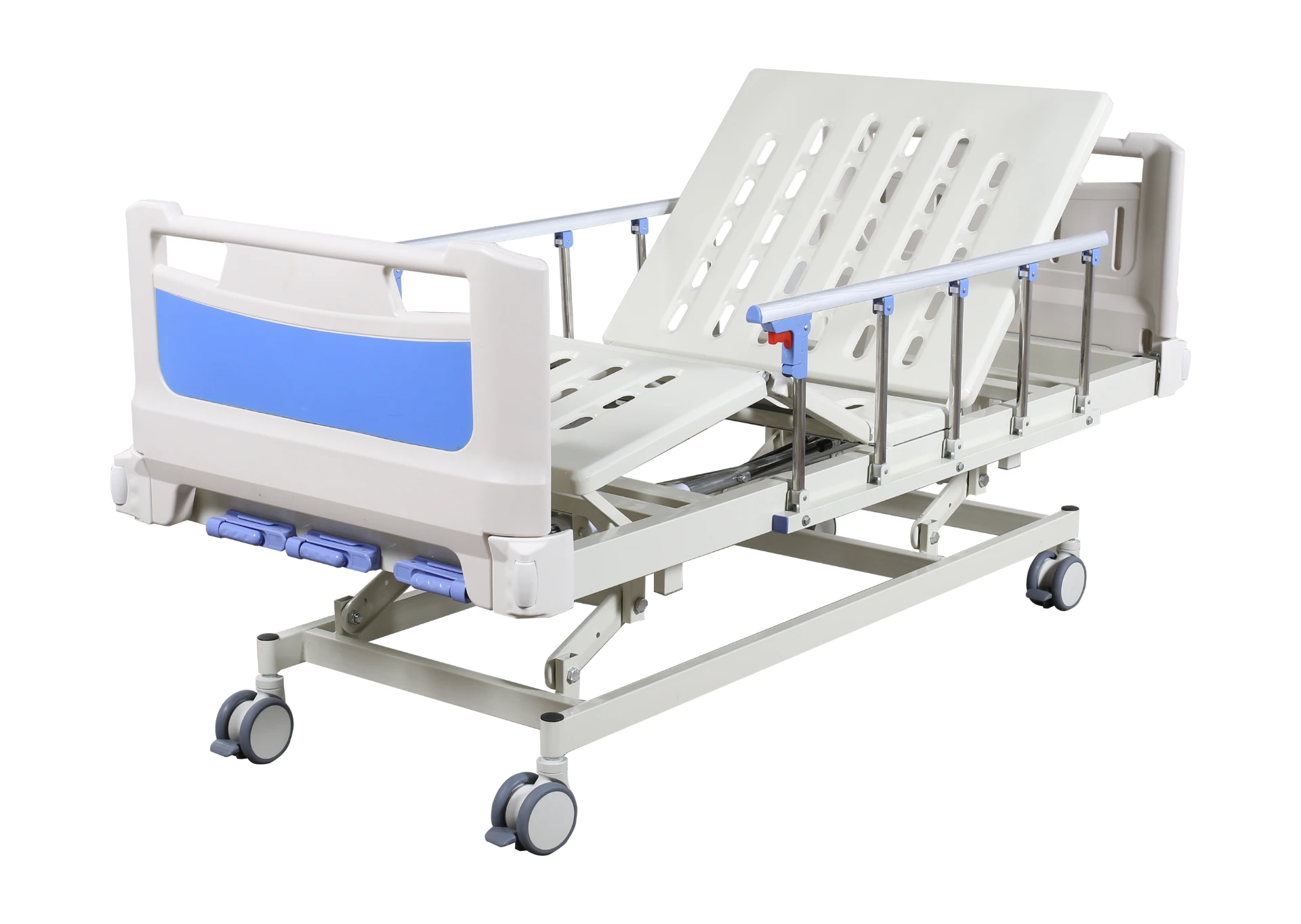
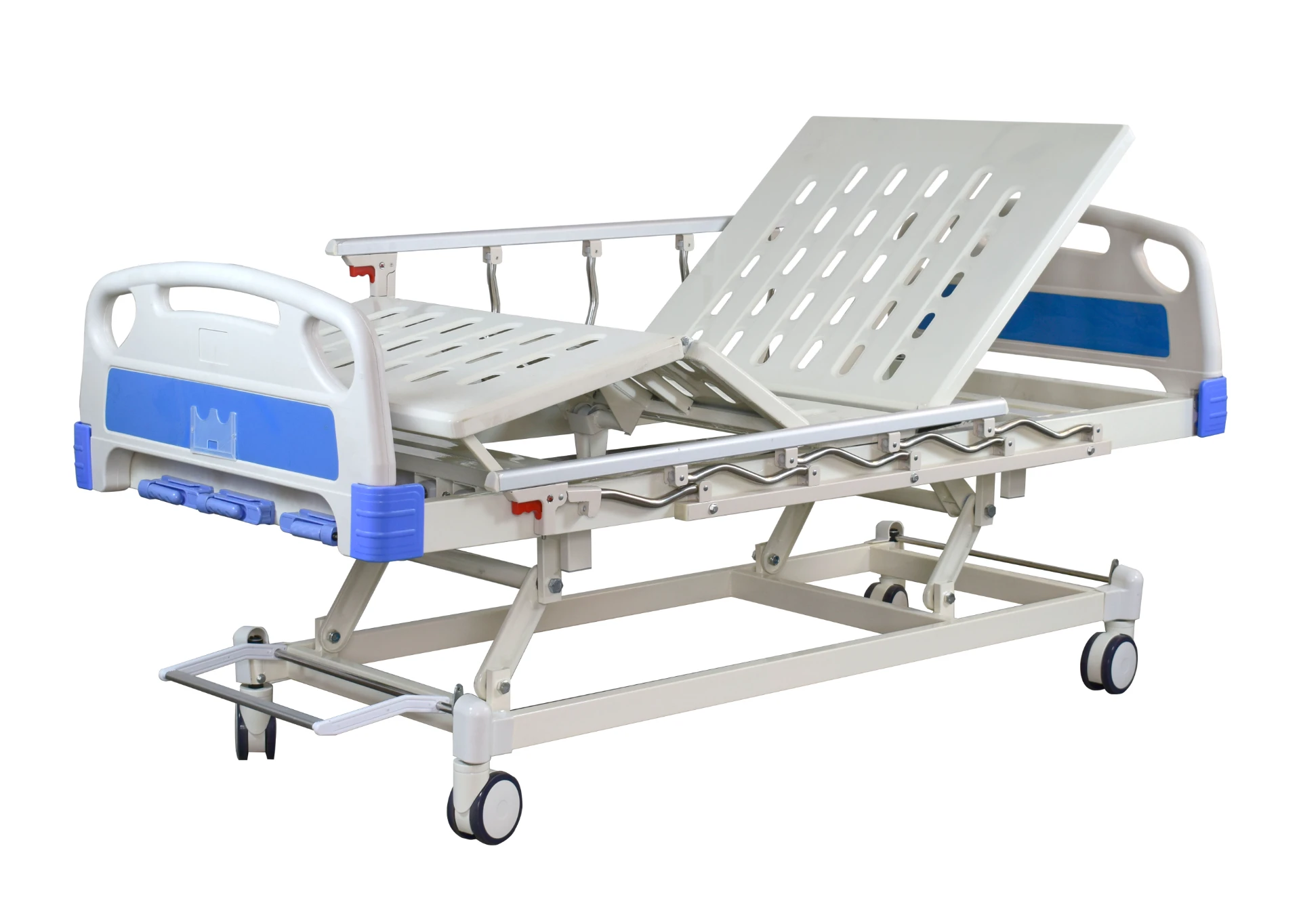
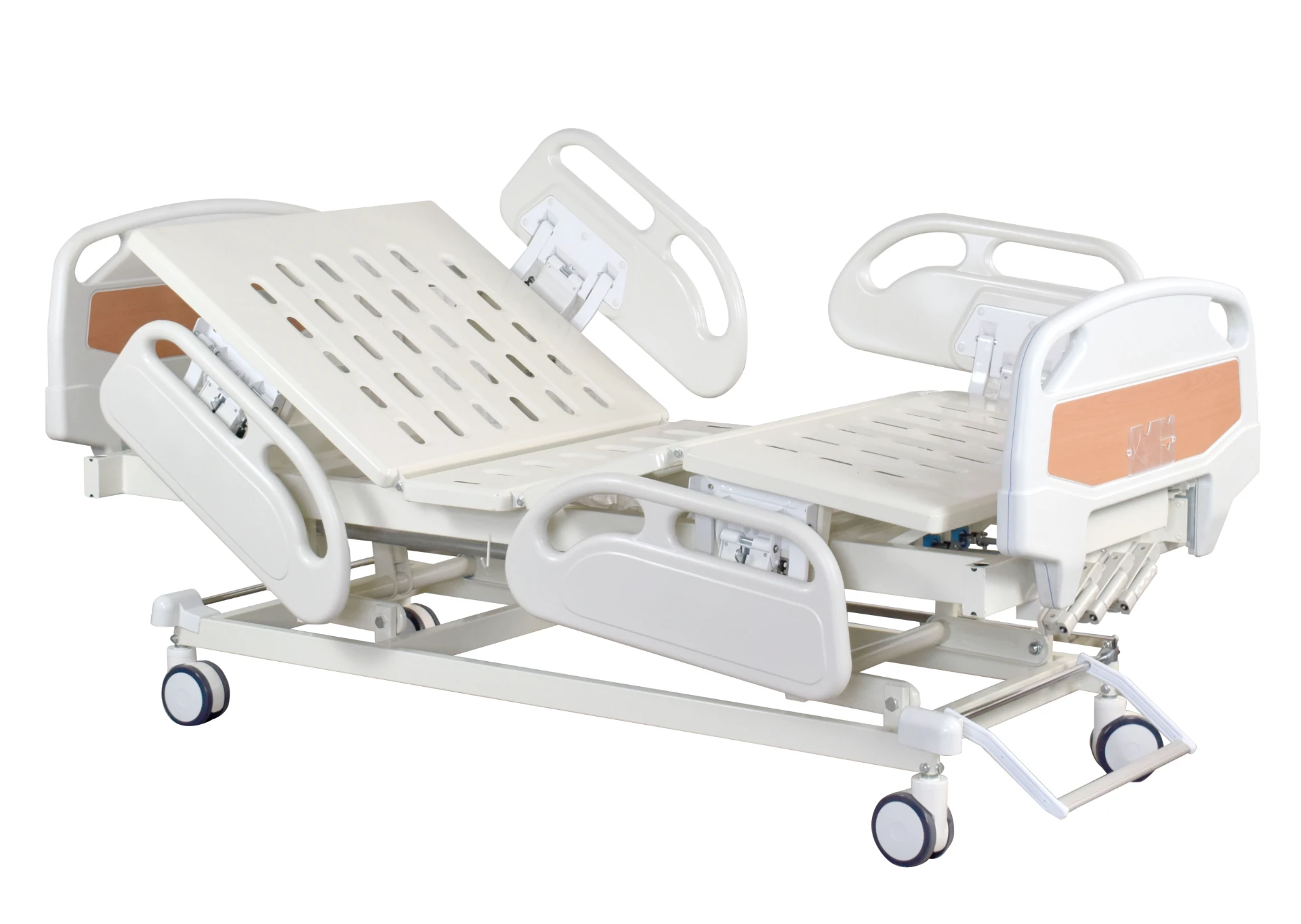
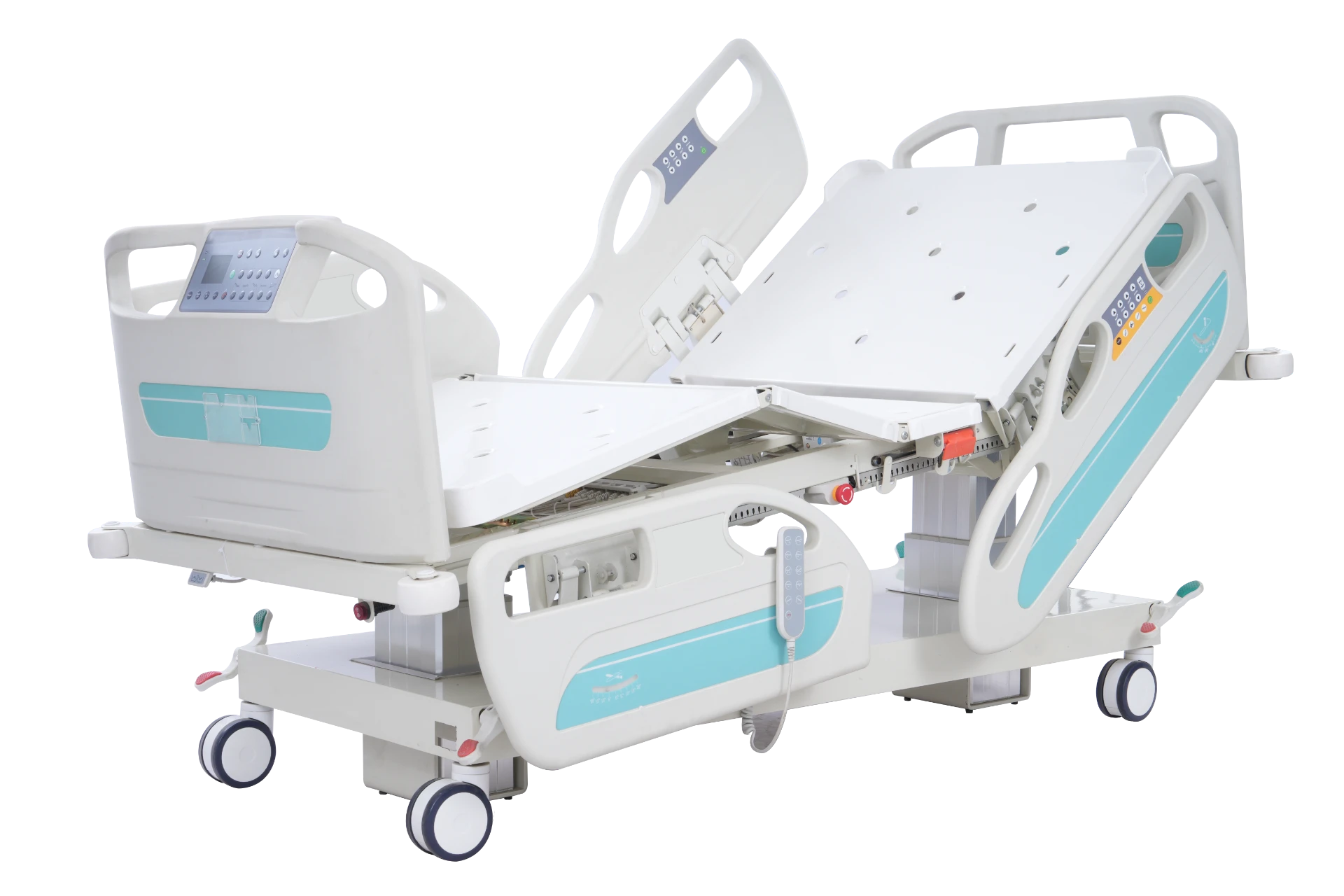
Simply put, an adjustable hospital bed frame is a specialized bed structure that allows parts of the mattress platform to change position electronically or mechanically—usually the backrest and leg sections. This adaptability supports various medical needs, from sitting up to lying flat, and even Trendelenburg positioning (legs higher than head). They’re not just hospital staples; nursing homes, home care settings, and rehabilitation centers rely on these frameworks for daily patient support.
In real terms, the frame is the backbone beneath the mattress, engineered to hold weight safely while moving smoothly and quietly. The frames connect to control panels—wired or wireless—that caregivers or patients use to adjust the configuration. They embody modern medical design’s promise: responsive, safe, and comfortable care anywhere.
Key Components & Factors of Adjustable Hospital Bed Frames
1. Durability and Material Quality
The frame must withstand repeated adjustments, heavy loads, and constant sanitization. Manufacturers typically use powder-coated steel or lightweight alloys. This ensures longevity and resistance to corrosion—a must for infection control in hospitals.
2. Range of Adjustability
Some beds allow elevation of head, legs, and even height of the entire bed for ergonomic care, whereas others offer more limited movement. The greater the adjustability, the more versatile the bed’s use cases—think ICU versus long-term care.
3. Patient Safety Features
These frames integrate guardrails, locking mechanisms, and sometimes sensors to prevent falls or injuries. Given that patients are often weak or sedated, these safety systems are non-negotiable.
4. Ease of Use and Control
Controls should be intuitive for both patients and nurses. Modern beds integrate wired hand controls, remote controls, or even smartphone apps for seamless adjustments.
5. Portability and Maintenance
Oddly enough, some hospital beds are designed with portability in mind—foldable frames or easy-to-disassemble components facilitate transport during rapid deployment scenarios in disaster zones.
Mini Takeaway:
- Material quality influences bed life and hygiene.
- Adjustability and safety features directly affect patient care quality.
- Ease of use saves staff time and improves patient autonomy.
Product Specification Table: Typical Adjustable Hospital Bed Frame
| Feature | Standard Specification |
|---|---|
| Material | Powder-coated steel frame |
| Max Load Capacity | 250-300 kg (550-660 lbs) |
| Adjustability | Head and leg elevation; height adjustment; Trendelenburg |
| Control Type | Wired hand control / Wireless remote (optional) |
| Safety Features | Side rails, locking wheels, CPR quick-release |
| Weight | 60-80 kg (132-176 lbs) |
Global Applications and Real-World Use Cases
From the US to Southeast Asia and Africa, adjustable hospital beds have become standard equipment in modern health facilities. In developed countries, they underpin ICU operations and post-surgical recovery. Oddly enough, they’re also vital in humanitarian settings where infrastructure is fragile—like in refugee camps or when disaster strikes.
For example, Médecins Sans Frontières (MSF) often requests robust adjustable hospital beds for their field hospitals to optimize care in tough environments. Additionally, in rural clinics in India and Brazil, these frames assist patients who would otherwise struggle with traditional flat beds, improving outcomes and reducing caregiver injury.
Mini Takeaway:
- Adjustable hospital bed frames support both advanced clinical care and emergency response.
- They are adaptable to cultural and infrastructural differences across regions.
- Their durability matters greatly in remote or rough conditions.
Advantages and Long-Term Value
What makes adjustable hospital beds truly invaluable? Well, apart from obvious comfort, they tremendously reduce complications like pressure ulcers—which, according to the National Pressure Injury Advisory Panel, affect nearly 3 million adults annually in the US alone. This kind of preventative capability saves costs and, frankly, patients’ dignity.
Plus, nurses report lower back injuries thanks to ergonomic positioning enabled by these beds, which is a big deal given how crucial healthcare worker wellbeing is for patient safety. Socially, using an adjustable frame sends a message of respect and care, improving institutional reputation.
Finally, sustainable manufacturers now emphasize recyclable materials and energy-efficient motors, blending innovation with environmental responsibility—an emerging priority worldwide.
Vendor Comparison Table: Selected Adjustable Hospital Bed Frame Providers
| Supplier | Material Quality | Price Range (USD) | Adjustability Features | Warranty |
|---|---|---|---|---|
| CNBoxin | High-grade steel & alloy | $950 - $1,200 | Full range incl. Trendelenburg | 3 years |
| MedTech Solutions | Powder-coated steel | $800 - $1,000 | Head and foot adjust | 2 years |
| GlobalCare Beds | Aluminum alloy frame | $1,100 - $1,350 | Advanced electronic control | 5 years |
Looking Ahead: Innovations & Future Trends
Adjustable hospital bed frames aren’t exactly new, but innovation keeps propelling them forward. Digital transformation is notable—now IoT-enabled beds can monitor patient vitals, alert staff if movements indicate distress, or automatically adjust for optimal posture. There’s also a push towards green manufacturing, with biodegradable components and solar-powered batteries increasingly integrated.
Robotics may soon assist in bed positioning, and modular frames promise easier upgrades. Even AI could personalize patient settings based on recovery data, though that sounds a little sci-fi… but it's approaching fast.
Challenges and Expert Solutions
Despite all this, some challenges persist. Electrically powered frames consume power and require maintenance, which can be tricky in low-resource settings. Plus, upfront costs deter smaller clinics from adopting the latest models.
One solution? Hybrid manual-electric beds that ensure basic adjustability even without power. NGOs also pool resources to fund bulk purchases. Additionally, continuous training for caregivers helps maximize equipment benefits and prolong bed life.
FAQ: Frequently Asked Questions About Adjustable Hospital Bed Frames
- Q: How do adjustable hospital beds improve patient recovery?
A: By allowing patients to change positions easily, these beds reduce pressure ulcers, improve circulation, and enhance breathing—all important for faster recovery and comfort. - Q: Can adjustable hospital bed frames be used at home?
A: Definitely. Many models come in designs tailored for home care, making it easier for patients to continue therapy outside hospitals with family support. - Q: What safety features should I look for in an adjustable hospital bed frame?
A: Look for sturdy side rails, reliable locking wheels, emergency release for CPR, and intuitive controls to prevent falls and accidents. - Q: How durable are these beds in disaster zones?
A: High-quality frames endure harsh conditions and repeated transport, especially if made of corrosion-resistant materials and designed for quick assembly/disassembly. - Q: Are adjustable beds expensive to maintain?
A: Maintenance costs vary but tend to be reasonable compared to the clinical benefits. Preventive care and regular checks extend lifespan significantly.
Conclusion & Call to Action
In conclusion, the adjustable hospital bed frame is a quiet hero in healthcare — blending engineering, comfort, and safety to improve lives globally. Its evolving design is a testament to innovation serving humanity’s vital needs. If you’re looking to equip or upgrade your facilities, it’s worth considering these beds carefully: they aren’t just a purchase but an investment in quality care.
Curious to explore the latest in adjustable hospital bed frames? Visit CNBoxin for detailed specs, expert advice, and options tailored to your needs.
One takeaway: A well-designed adjustable bed frame isn't just about hardware—it’s about enhancing dignity and enabling healing.
-
Ultimate Guide to Choosing Extra Wide Waiting Room ChairsNewsApr.16,2026
-
Guide to Choosing Professional Waiting Room Chairs Wipeable SeatingNewsApr.09,2026
-
Enhance Your Space with Comfortable Wide Waiting Room ChairsNewsApr.07,2026
-
Selecting the Ideal Brown Waiting Room Chairs for a Welcoming SpaceNewsApr.04,2026
-
Choosing Comfortable Patient Waiting Room Chairs for Healthcare FacilitiesNewsMar.31,2026
-
Finding the Best Deals on Affordable and Cheap Reception Chairs for Your BusinessNewsMar.28,2026
-
Enhance Your Business Reception with Comfortable Blue Reception ChairsNewsMar.26,2026