Welcome to our websites!


A Comprehensive Guide to Nursing Home Bed Size: Comfort, Safety, and Global Perspectives
Nursing Home Bed Size: Understanding Its Global Significance and Practical Benefits
When you first hear “nursing home bed size,” it might sound simple—just the dimensions of a bed, right? But, oddly enough, this seemingly straightforward detail touches on so many layers of healthcare, comfort, dignity, and logistical planning worldwide. In nursing homes, bed size affects everything from the resident’s well-being to the efficiency of care and even infection control.
Globally, as populations age and long-term care facilities multiply, understanding the nuances of nursing home bed size has become essential—not only for manufacturers and facility managers but also for policymakers and caregivers aiming to improve elderly care standards worldwide.
Introduction: Why Nursing Home Bed Size Matters on a Global Scale
With the United Nations estimating the global population aged 60 or over to double by 2050, nursing homes are growing rapidly in both necessity and complexity. According to the World Health Organization, aging populations demand more tailored infrastructure. One detail that makes a tangible difference is nursing home bed size. Choosing the right size can impact mobility, care delivery, safety, and even maintenance costs.
However, there’s a persistent challenge: international standards vary, and many nursing homes struggle to balance comfort, space constraints, and equipment compatibility. Beds that are too small or too large can cause discomfort or complicate caregiving routines. So, getting the bed size just right is more than a matter of inches — it’s about creating environments that respect human dignity and healthcare quality.
Defining Nursing Home Bed Size
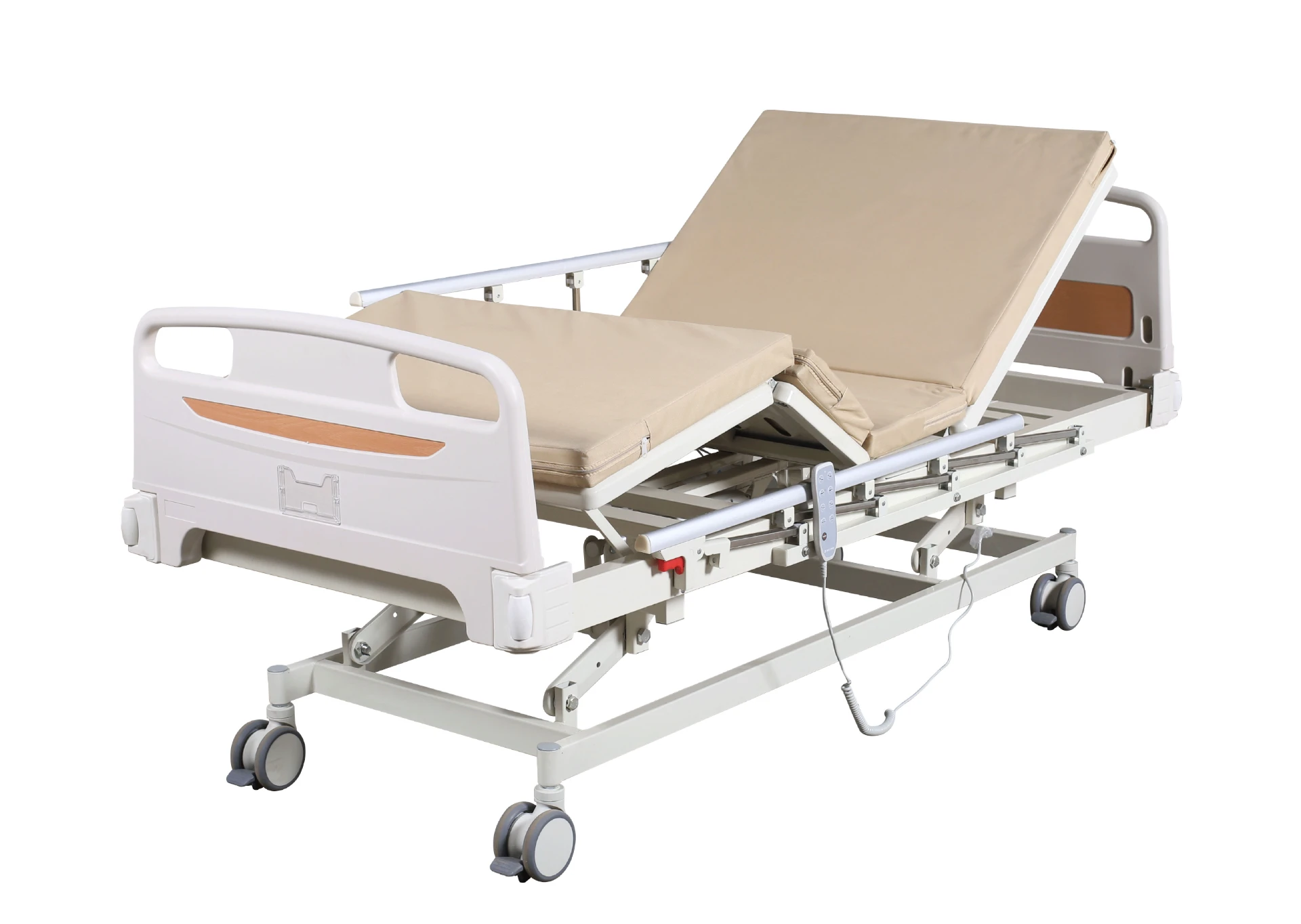
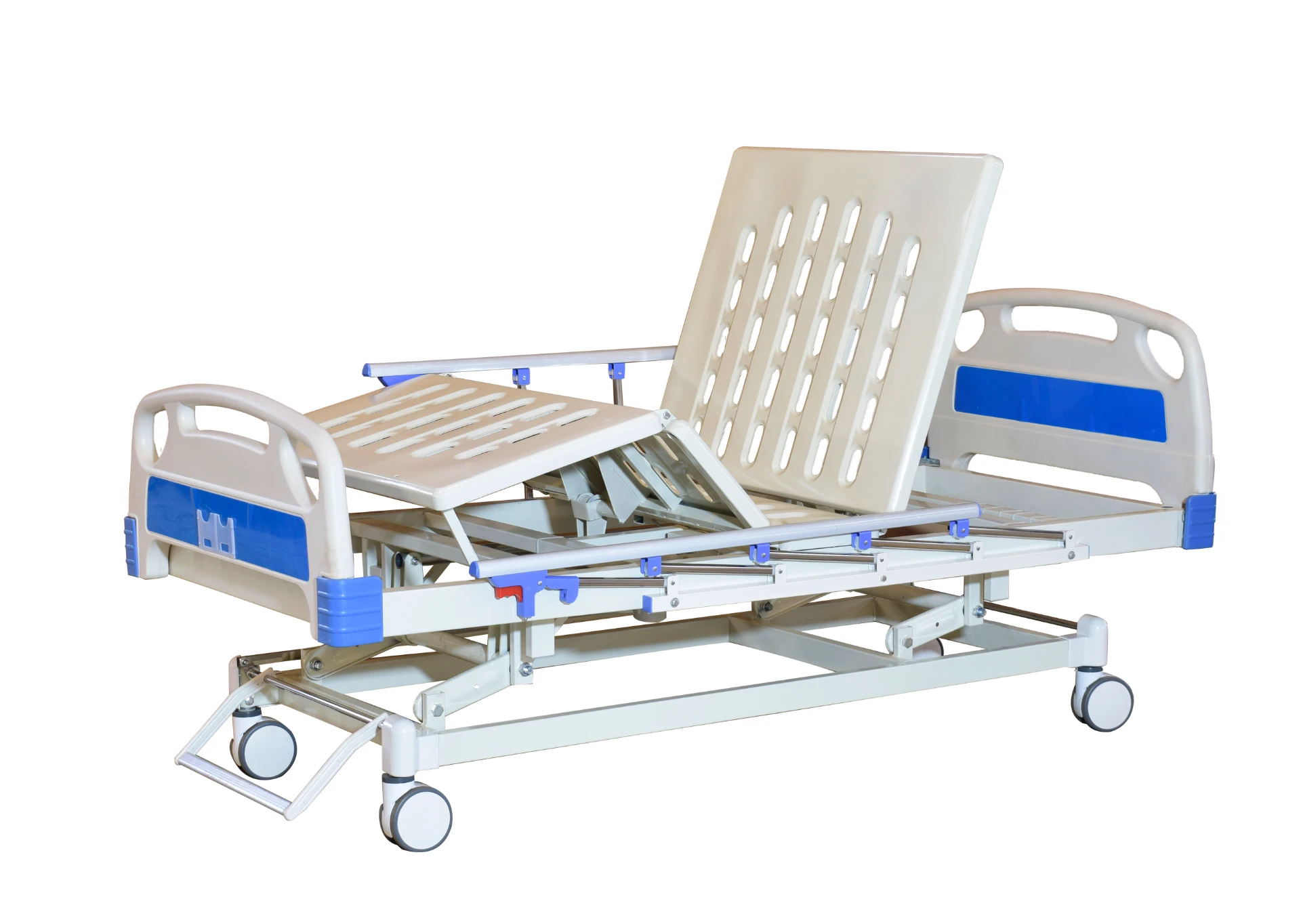
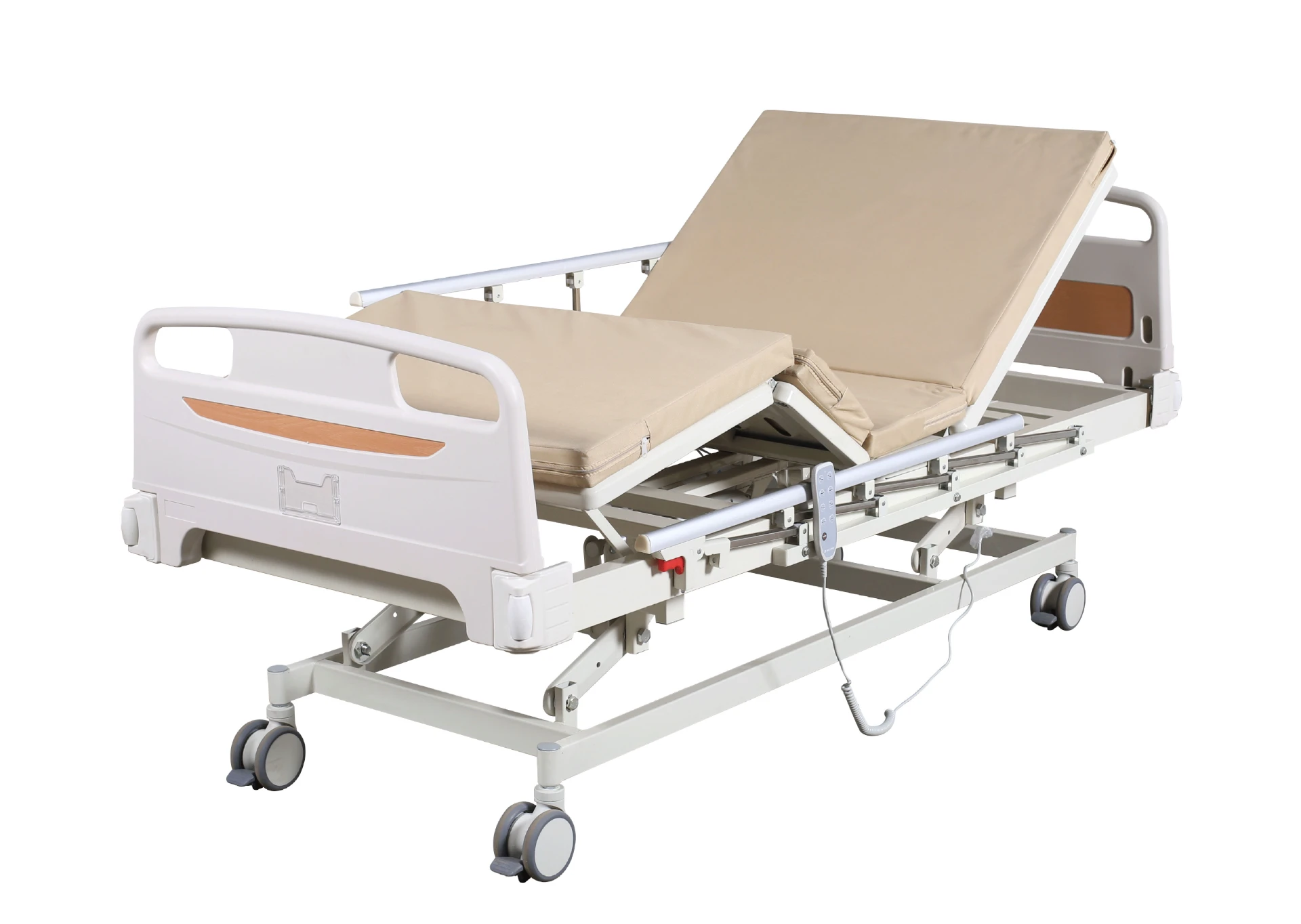
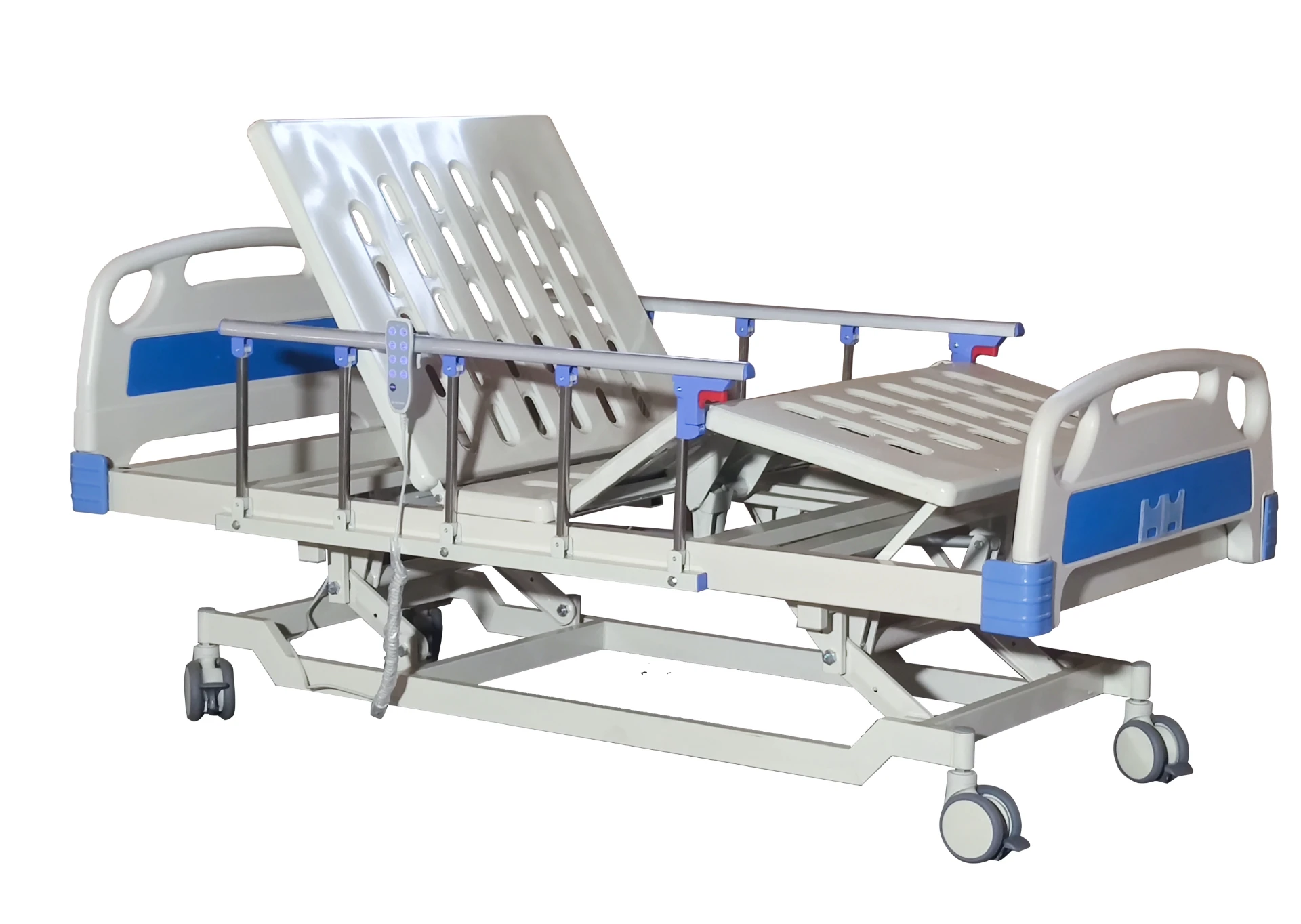
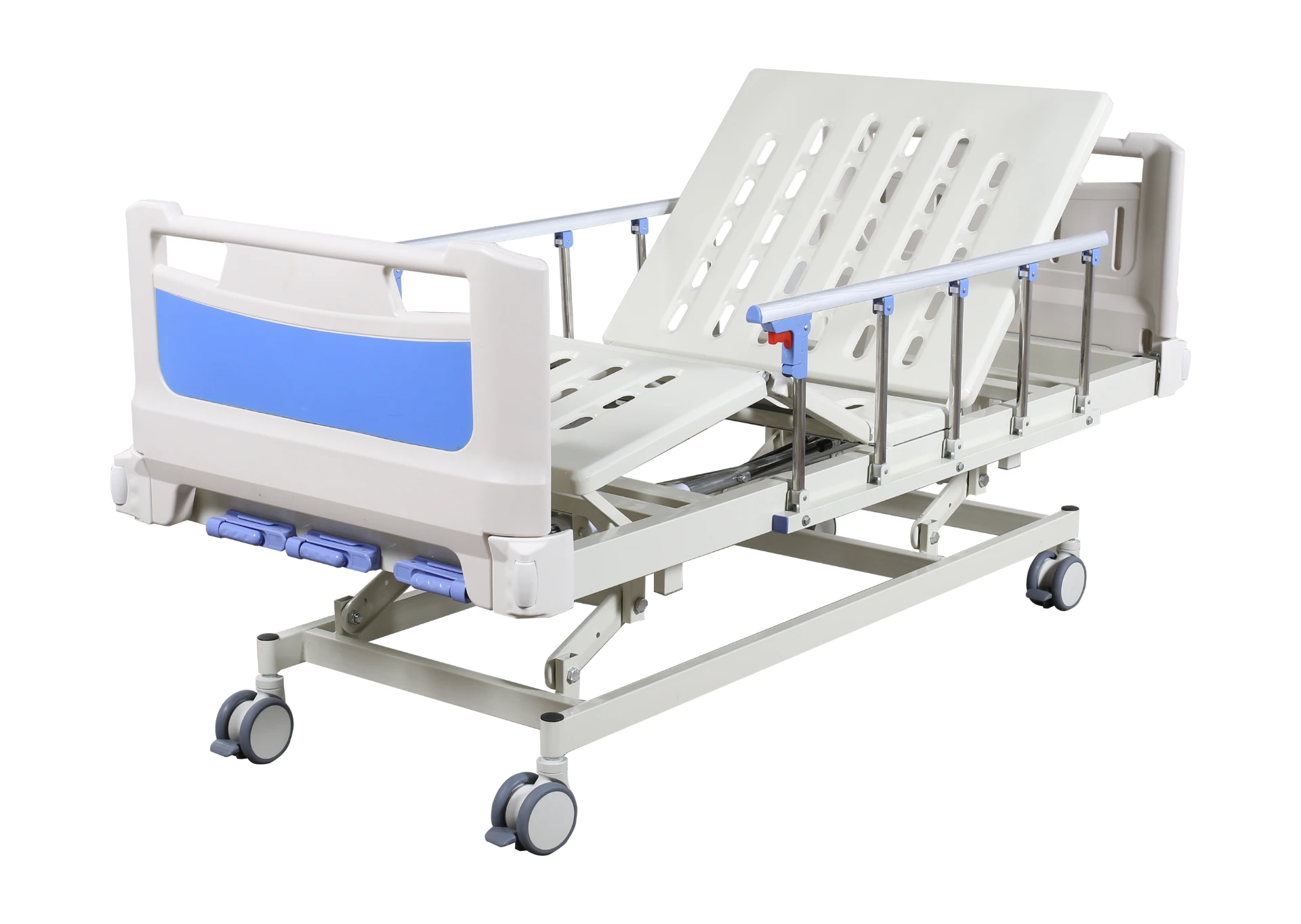
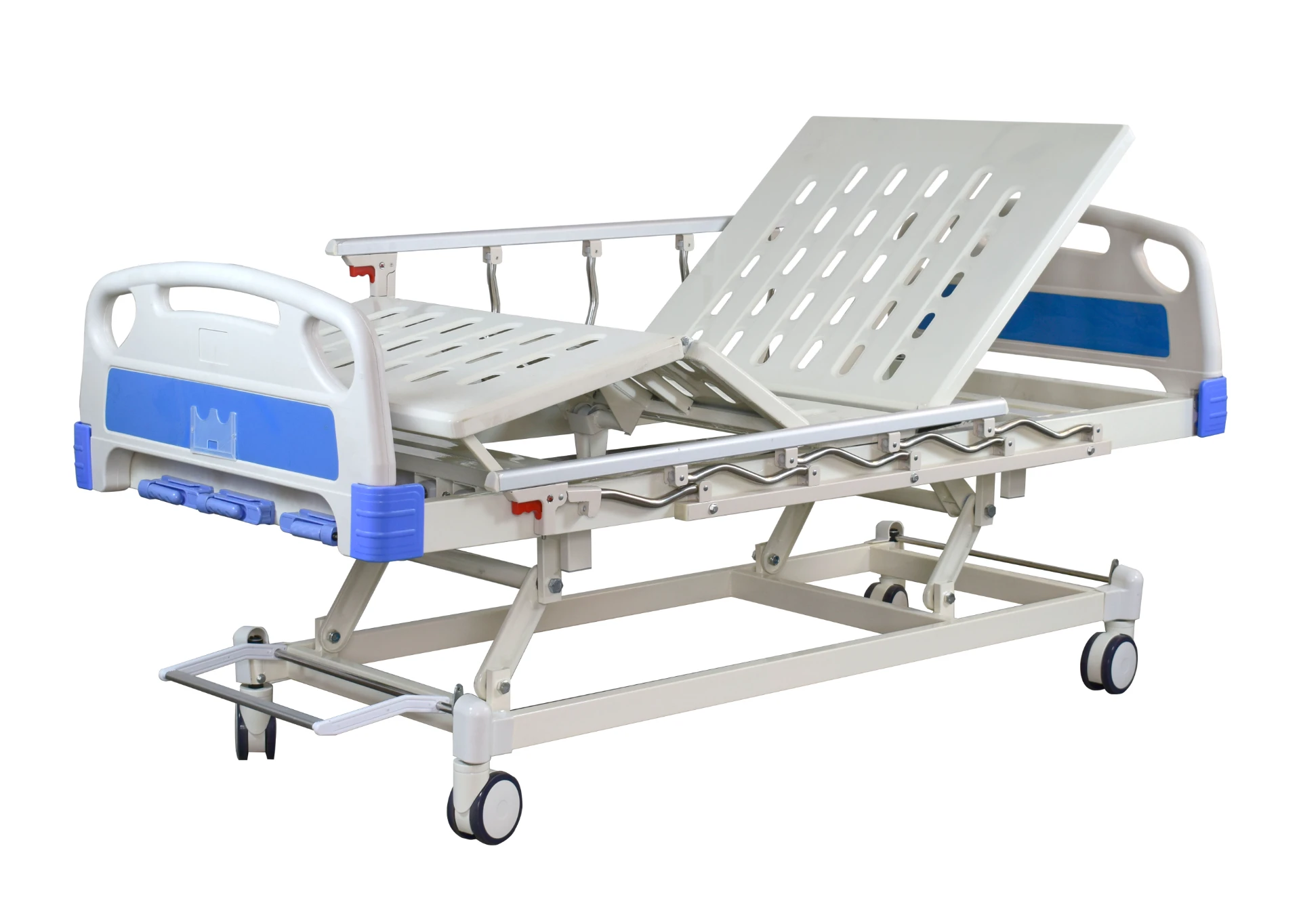
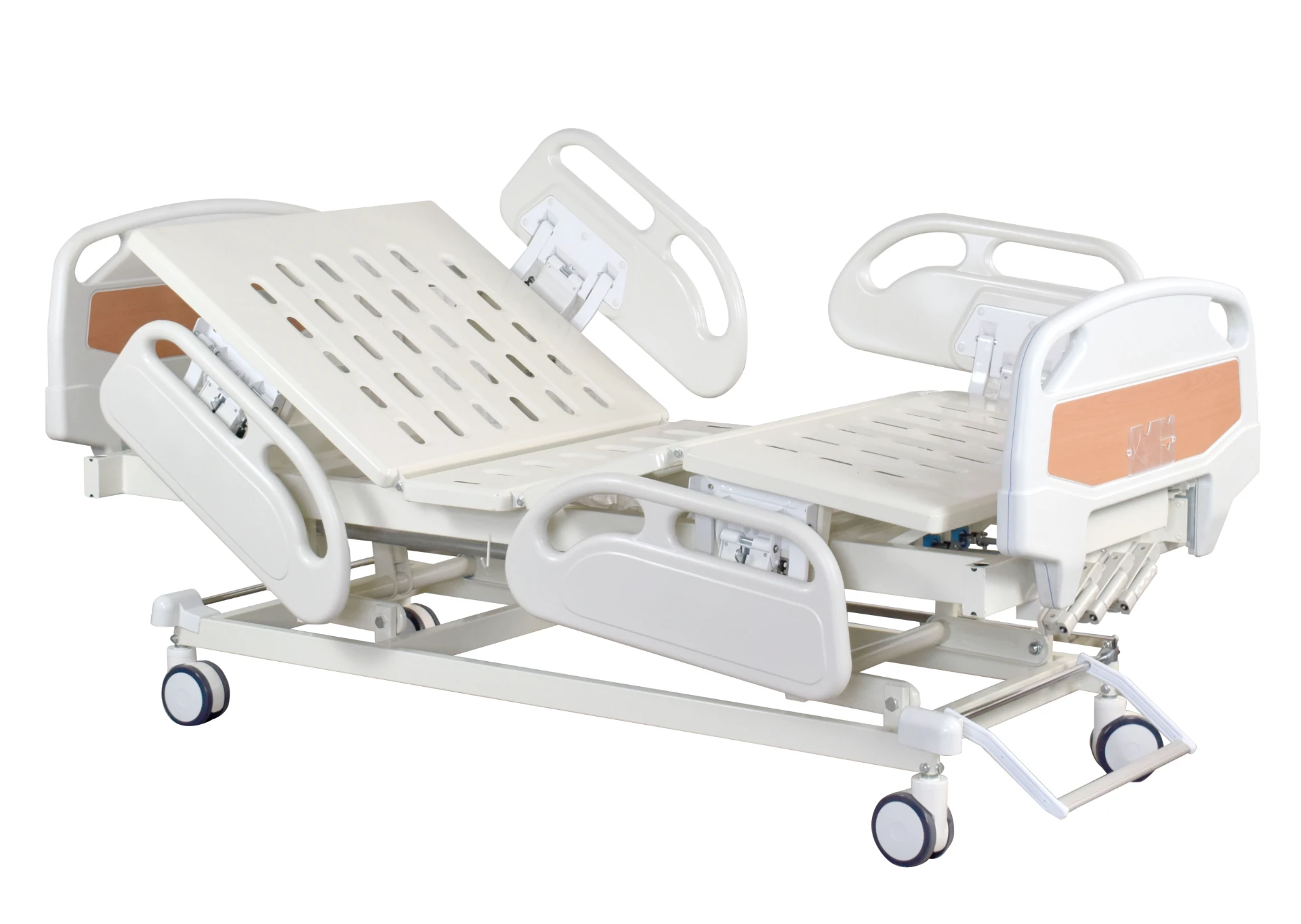
At its core, nursing home bed size refers to the mattress and frame dimensions specifically designed for long-term care settings. Unlike typical residential beds, nursing home beds require additional features like adjustability, support for medical devices, and enhanced safety rails. But size-wise, they generally fall into certain standard widths and lengths that accommodate mobility aids and allow caregivers to work easily around the patient.
In practical terms, these sizes intersect with modern humanitarian and health industry needs, where a bed’s dimensions must fit into existing room plans, comply with safety regulations, and suit ergonomics for diverse body types. This interplay shapes outcomes for both residents and staff.
Key Factors Influencing Nursing Home Bed Size
Durability and Material Strength
Beds must withstand daily adjustments and patient transfers without warping or breaking. The frame size often dictates the choice of materials – steel vs. aluminum, for instance – balancing sturdiness with weight.
Adjustability and Scalability
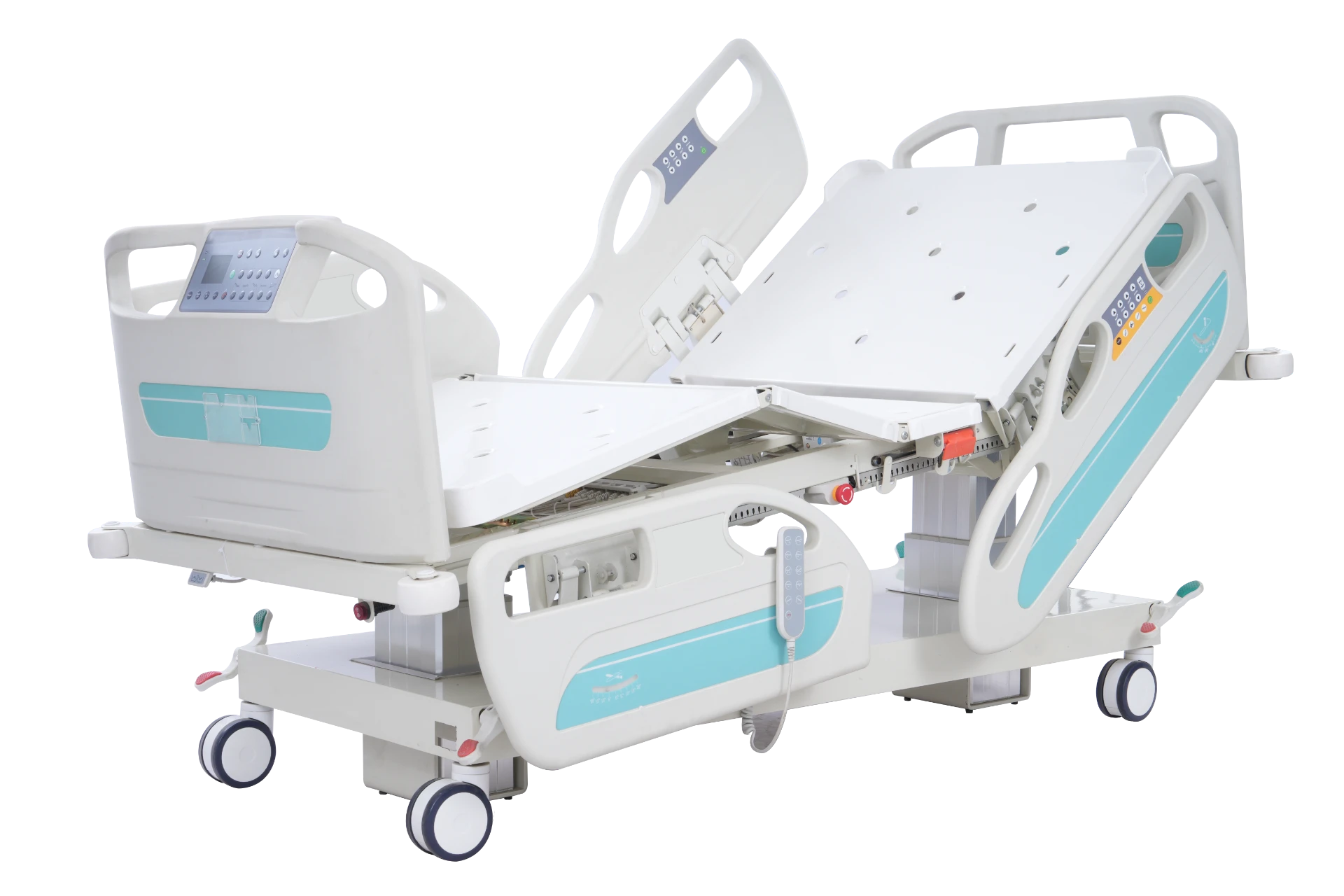
Nursing home beds often come with adjustable height and multi-link recline functions. The size affects how compact or sprawling the bed can be while still offering these mechanical benefits.
Space Efficiency within Facilities
Facility managers juggle room sizes and corridor widths. Nursing home bed size needs to maximize resident comfort without restricting movement or violating fire safety regulations.
Cost and Supply Chain Considerations
Common sizes simplify logistics and lower supply costs, but customization for special needs sometimes demands bespoke bed sizes—raising expenses and procurement complexity.
Compliance with Health and Safety Standards
International and national regulations (like ISO standards) influence size parameters to ensure accessibility, emergency egress, and hygiene.
Global Applications & Use Cases of Nursing Home Bed Sizes
In North America and Europe, larger nursing home bed sizes often accommodate residents with higher BMI, reflecting demographic realities. In Asia and parts of Africa, narrower beds are sometimes preferred due to smaller average body frames and space constraints.
Post-disaster relief operations that set up temporary care facilities rely heavily on nursing home bed sizes that balance portability with usability. Meanwhile, in remote industrial zones with aging workers, medium-sized beds that can withstand rough handling and offer adjustability dominate.
| Model | Width (inches) | Length (inches) | Adjustability | Max Load (lbs) |
|---|---|---|---|---|
| Standard Model A | 36 | 80 | Manual, 3 Positions | 350 |
| Deluxe Model B | 42 | 84 | Electric, 5 Positions | 450 |
| Economy Model C | 30 | 78 | Fixed Height | 300 |
Advantages & Long-Term Value of Optimized Nursing Home Bed Size
Choosing the right nursing home bed size isn’t just about inches; it’s about creating safer, more comfortable homes for aging populations. Financially, it reduces wear and tear on facilities and equipment. Ethically, it upholds resident dignity—imagine struggling to move on a bed that’s too narrow or being overlooked due to inconvenient bed dimensions.
On a social level, these beds contribute to better care workflow, reducing caregiver strain and improving response times.
Future Trends & Innovations in Nursing Home Bed Size
With digital transformation moving fast, we’re seeing smart beds with sensors that adapt dimensions to patient needs and track vitals. Sustainability trends push manufacturers to develop beds from recyclable materials that don’t sacrifice strength. Automation is also key — beds that adjust automatically throughout the day, optimizing posture to prevent ulcers.
Some forward-thinking organizations are even rethinking bed size concepts altogether — modular, foldable beds that can be sized dynamically according to resident’s condition or room layout.
Common Challenges and Solutions
Space constraints remain a stubborn challenge in many facilities. Another is cost: custom sizes benefit residents but can inflate budgets sharply. Solutions include flexible bed frames engineered to expand or contract, and standardization efforts that allow customization while keeping manufacturing scalable.
Vendor Comparison: Nursing Home Bed Size Providers
| Vendor | Size Options | Price Range | Customization | Warranty |
|---|---|---|---|---|
| ComfortCare Beds | 3 standard sizes | $$$ | Limited | 5 years |
| HealthLine Systems | Custom sizes available | $$$$ | Full | 7 years |
| EconoBed Corp | 2 standard sizes | $ | None | 3 years |
FAQ: Frequently Asked Questions About Nursing Home Bed Size
- What is the standard nursing home bed size, and why does it matter?
Standard sizes usually range from 30-42 inches wide and 78-84 inches long. The right size ensures resident comfort, safe transfers, and caregiver access. - Can nursing home beds be customized for different resident needs?
Yes, many manufacturers offer customizable widths, lengths, and adjustable features to accommodate special medical or mobility requirements. - How do nursing home bed sizes affect facility layout?
Beds that are too large can limit movement and violate safety codes; optimized sizes maximize space usage without compromising care quality. - Are there international standards for nursing home bed sizes?
While standards vary, organizations like ISO provide guidelines that most reputable manufacturers follow for safety and ergonomics. - How often should nursing home beds be replaced or upgraded?
Typically every 7-10 years, factoring in wear, technology advances, and care standards improvements.
Conclusion: The Lasting Impact of Thoughtful Nursing Home Bed Sizes
The story of nursing home bed size is really about much more than just a measurement. It’s about equity, safety, and fostering environments where aging gracefully is possible. As facilities around the world adapt to demographic shifts, investing thought—and budget—into the proper bed size yields dividends in care quality, cost savings, and resident happiness.
If this topic resonates with you or your organization, explore further details and product options by visiting our site at https://www.cnboxin.com. The right bed could change lives—one inch at a time.
A small reflection: sometimes, it’s the humble details—like bed size—that quietly shape the future of health and dignity.
References
-
Ultimate Guide to Choosing Extra Wide Waiting Room ChairsNewsApr.16,2026
-
Guide to Choosing Professional Waiting Room Chairs Wipeable SeatingNewsApr.09,2026
-
Enhance Your Space with Comfortable Wide Waiting Room ChairsNewsApr.07,2026
-
Selecting the Ideal Brown Waiting Room Chairs for a Welcoming SpaceNewsApr.04,2026
-
Choosing Comfortable Patient Waiting Room Chairs for Healthcare FacilitiesNewsMar.31,2026
-
Finding the Best Deals on Affordable and Cheap Reception Chairs for Your BusinessNewsMar.28,2026
-
Enhance Your Business Reception with Comfortable Blue Reception ChairsNewsMar.26,2026